

Mortuary Chemicals

Mortuary chemicals, used in the embalming and preparation of human remains, disinfect the body, preserve the tissues, and restore a natural appearance.
Description
Mortuary chemicals are a variety of chemicals used in the embalming and preparation of human remains. They are typically formaldehyde-based, but may also contain other chemicals such as methanol, glutaraldehyde, and glycerin. Mortuary chemicals are used to disinfect the body, preserve the tissues, and restore a natural appearance.
Here are some of the key features of mortuary chemicals:
- Disinfectant: Mortuary chemicals can kill a wide range of bacteria, viruses, and fungi.
- Preservative: Mortuary chemicals can prevent the decay of tissues.
- Restorative: Mortuary chemicals can be used to restore a natural appearance to the skin and tissues.
- Effective: Mortuary chemicals are very effective at preserving and restoring human remains.
Mortuary chemicals are a necessary part of the embalming process, but they can also be harmful if they are not handled properly. It is important to read the label carefully and to follow the safety precautions when using mortuary chemicals.
Here are some additional details about mortuary chemicals:
- The active ingredient in most mortuary chemicals is formaldehyde.
- Mortuary chemicals are available in a variety of concentrations, typically ranging from 10% to 37% formaldehyde.
- Mortuary chemicals should be stored in a cool, dark place.
- Mortuary chemicals should not be mixed with other chemicals, as this can create dangerous fumes.
Additional information
| Chemical Category | CLINICAL, Clinical Detergents, DOMESTIC, Domestic Detergents, INDUSTRIAL, Industrial Detergents, MINING, Mining Detergents |
|---|
Quick Comparison
| Settings | Mortuary Chemicals remove | Toilet Cleaner remove | Roller Wash remove | Methylated Spirit remove | Xylene remove | Butyl Oxitol remove | ||||||||||||
|---|---|---|---|---|---|---|---|---|---|---|---|---|---|---|---|---|---|---|
| Image | | 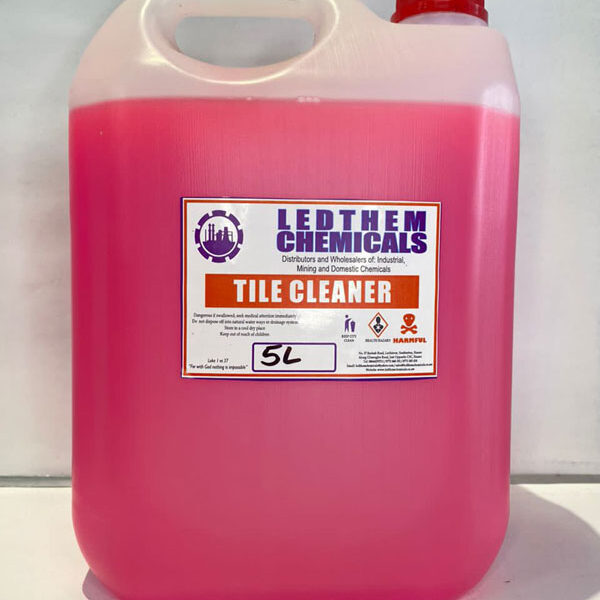 |  | 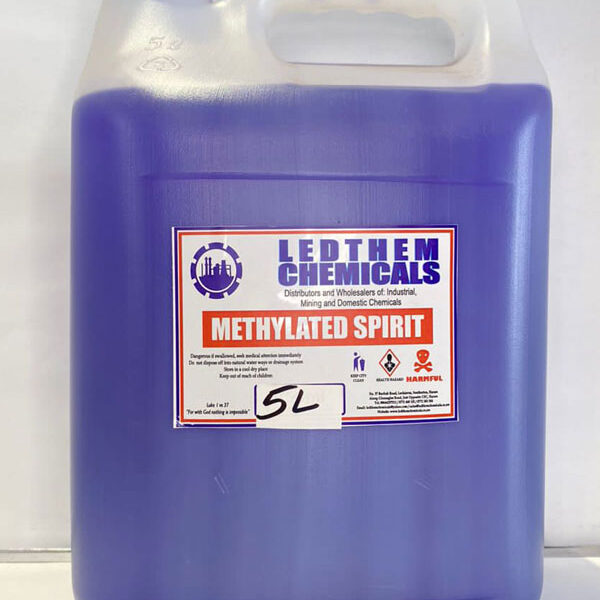 | 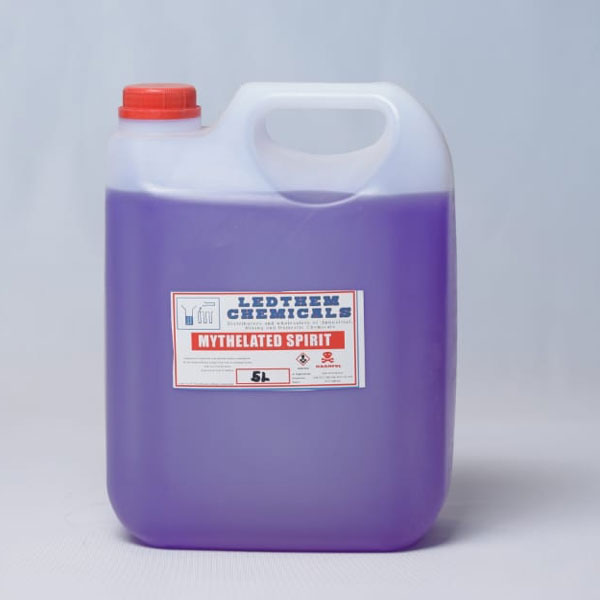 | 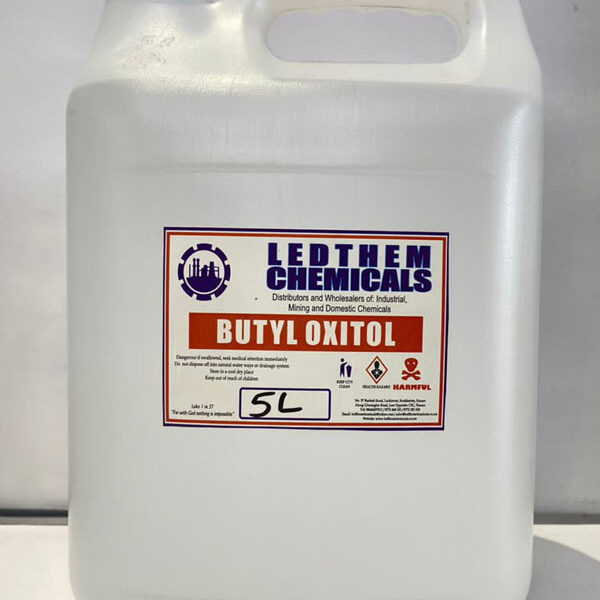 | ||||||||||||
| SKU | ||||||||||||||||||
| Rating | ||||||||||||||||||
| Price | ||||||||||||||||||
| Stock | In Stock
| In Stock
| In Stock
| In Stock
| In Stock
| In Stock
| ||||||||||||
| Availability | In Stock | In Stock | In Stock | In Stock | In Stock | In Stock | ||||||||||||
| Add to cart | ||||||||||||||||||
| Description | Mortuary chemicals, used in the embalming and preparation of human remains, disinfect the body, preserve the tissues, and restore a natural appearance. | Toilet cleaner a powerful stain remove of dirt, rust and smile from tiles, urinals grout and toilet bowls kills bacteria and leaves a clean fresh odor | Roller washer Can not be mixed with water , contains anti- corrosion so it is safe for metal parts, suitable for washing offset machines using UV offset inks | What is Methylated Spirit? It is a suitable alternative to isopropyl Alcohol where solubility is not critical or can be assisted by other formula components | Xylene, Appears as a colorless watery liquid with a sweet odor. Less dense than water. Insoluble in water. Irritating vapor | Butyl Oxitol is a colorless liquid has a sweet, ether like odor as it derives from the family of glycol ethers, it is used in domestic and industrial products. | ||||||||||||
| Content | Mortuary chemicals are a variety of chemicals used in the embalming and preparation of human remains. They are typically formaldehyde-based, but may also contain other chemicals such as methanol, glutaraldehyde, and glycerin. Mortuary chemicals are used to disinfect the body, preserve the tissues, and restore a natural appearance. Here are some of the key features of mortuary chemicals:
Mortuary chemicals are a necessary part of the embalming process, but they can also be harmful if they are not handled properly. It is important to read the label carefully and to follow the safety precautions when using mortuary chemicals. Here are some additional details about mortuary chemicals:
| Toilet cleaner a powerful stain remover. It removes dirt, rust and slime from tiles, urinals grout and toilet bowls. This product kills bacteria and leaves a clean and fresh odor after application | Roller washer Can not be mixed with water , contains anti- corrosion so it is safe for metal parts, suitable for washing offset machines using UV offset inks | What is Methylated Spirit? It is a suitable alternative to isopropyl Alcohol where solubility is not critical or can be assisted by other formula components | Xylene, Appears as a colorless watery liquid with a sweet odor. Less dense than water. Insoluble in water. Irritating vapor | Butyl Oxitol is a colorless liquid has a sweet, ether like odor as it derives from the family of glycol ethers, it is used in many domestic and industrial products because of its properties as a surfactant. | ||||||||||||
| Weight | ||||||||||||||||||
| Dimensions | N/A | N/A | N/A | N/A | N/A | N/A | ||||||||||||
| Additional information |
|
|
|
|
|
|

Reviews
There are no reviews yet.