

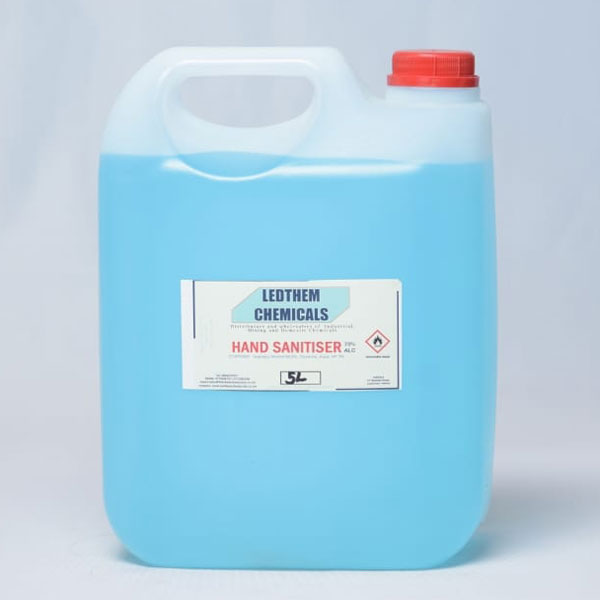
Mortuary Chemicals

Mortuary chemicals, used in the embalming and preparation of human remains, disinfect the body, preserve the tissues, and restore a natural appearance.
Description
Mortuary chemicals are a variety of chemicals used in the embalming and preparation of human remains. They are typically formaldehyde-based, but may also contain other chemicals such as methanol, glutaraldehyde, and glycerin. Mortuary chemicals are used to disinfect the body, preserve the tissues, and restore a natural appearance.
Here are some of the key features of mortuary chemicals:
- Disinfectant: Mortuary chemicals can kill a wide range of bacteria, viruses, and fungi.
- Preservative: Mortuary chemicals can prevent the decay of tissues.
- Restorative: Mortuary chemicals can be used to restore a natural appearance to the skin and tissues.
- Effective: Mortuary chemicals are very effective at preserving and restoring human remains.
Mortuary chemicals are a necessary part of the embalming process, but they can also be harmful if they are not handled properly. It is important to read the label carefully and to follow the safety precautions when using mortuary chemicals.
Here are some additional details about mortuary chemicals:
- The active ingredient in most mortuary chemicals is formaldehyde.
- Mortuary chemicals are available in a variety of concentrations, typically ranging from 10% to 37% formaldehyde.
- Mortuary chemicals should be stored in a cool, dark place.
- Mortuary chemicals should not be mixed with other chemicals, as this can create dangerous fumes.
Additional information
| Chemical Category | CLINICAL, Clinical Detergents, DOMESTIC, Domestic Detergents, INDUSTRIAL, Industrial Detergents, MINING, Mining Detergents |
|---|
Quick Comparison
| Settings | Mortuary Chemicals remove | Butyl Oxitol remove | White Spirit remove | Roller Wash remove | Toilet Cleaner remove | Solvent 45 remove | ||||||||||||
|---|---|---|---|---|---|---|---|---|---|---|---|---|---|---|---|---|---|---|
| Image | | 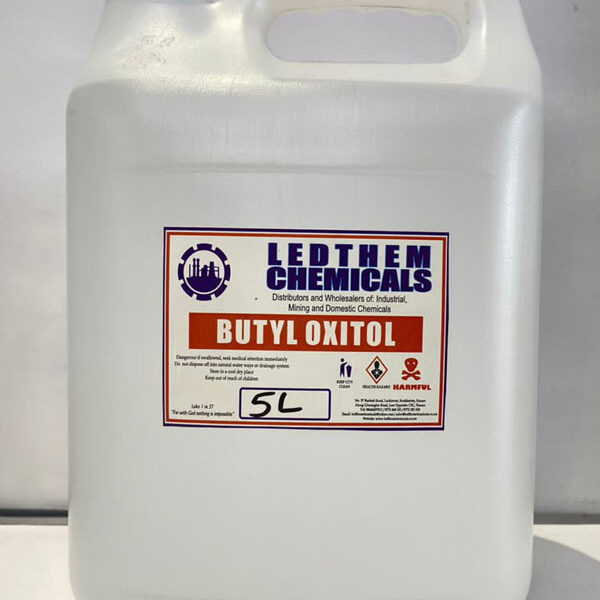 |  |  |  |  | ||||||||||||
| SKU | ||||||||||||||||||
| Rating | ||||||||||||||||||
| Price | ||||||||||||||||||
| Stock | In Stock
| In Stock
| In Stock
| In Stock
| In Stock
| In Stock
| ||||||||||||
| Availability | In Stock | In Stock | In Stock | In Stock | In Stock | In Stock | ||||||||||||
| Add to cart | ||||||||||||||||||
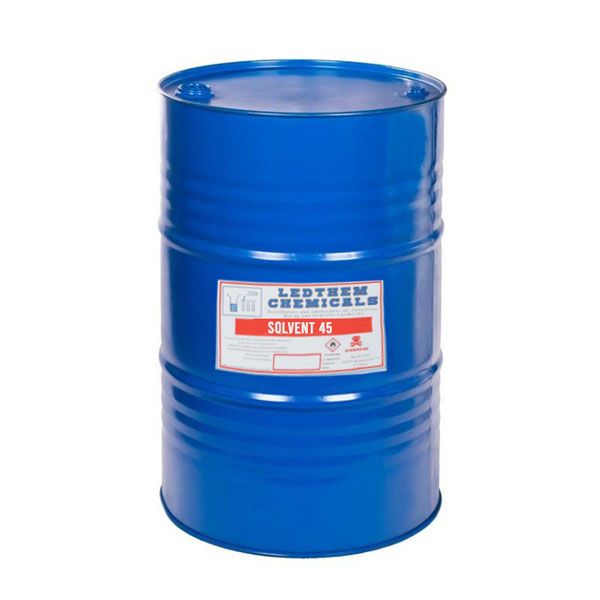
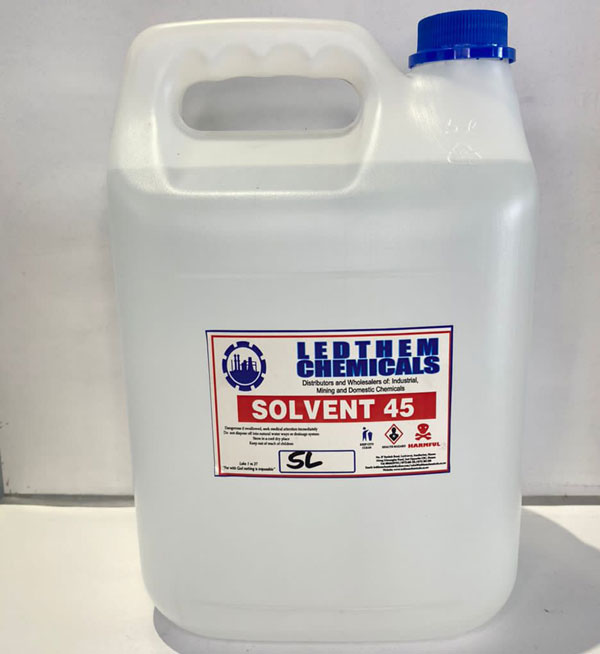
| Description | Mortuary chemicals, used in the embalming and preparation of human remains, disinfect the body, preserve the tissues, and restore a natural appearance. | Butyl Oxitol is a colorless liquid has a sweet, ether like odor as it derives from the family of glycol ethers, it is used in domestic and industrial products. | White spirit is used for Making inks and dyes, Solvent for cleaning, degreasing metal parts, manufacture of pharmaceuticals, cosmetics, and other products | Roller washer Can not be mixed with water , contains anti- corrosion so it is safe for metal parts, suitable for washing offset machines using UV offset inks | Toilet cleaner a powerful stain remove of dirt, rust and smile from tiles, urinals grout and toilet bowls kills bacteria and leaves a clean fresh odor | A blend of aliphatic hydrocarbons, organic solvents and surfactants, formulated to remove graffiti from sealed surfaces, remove permanent inks and paints | ||||||||||||
| Content | Mortuary chemicals are a variety of chemicals used in the embalming and preparation of human remains. They are typically formaldehyde-based, but may also contain other chemicals such as methanol, glutaraldehyde, and glycerin. Mortuary chemicals are used to disinfect the body, preserve the tissues, and restore a natural appearance. Here are some of the key features of mortuary chemicals:
Mortuary chemicals are a necessary part of the embalming process, but they can also be harmful if they are not handled properly. It is important to read the label carefully and to follow the safety precautions when using mortuary chemicals. Here are some additional details about mortuary chemicals:
| Butyl Oxitol is a colorless liquid has a sweet, ether like odor as it derives from the family of glycol ethers, it is used in many domestic and industrial products because of its properties as a surfactant. | White spirit, also known as mineral spirits, is a petroleum-derived clear liquid used as a common organic solvent in painting. It is a mixture of aliphatic and aromatic hydrocarbons, with a boiling point range of 130-230 degrees Celsius. White spirit is odorless or has a mild odor, and is less flammable and toxic than turpentine. White spirit is used for a variety of purposes, including:
White spirit is a flammable and volatile liquid, so it should be handled with care. It should be stored in a cool, well-ventilated area, and away from heat and open flames. When using white spirit, it is important to wear gloves and eye protection to avoid skin contact and inhalation of fumes. Here are some safety precautions to take when using white spirit:
If you accidentally spill white spirit, clean it up immediately with a damp cloth. Do not flush it down the drain. White spirit is a versatile solvent with many uses. It is important to use it safely and responsibly. | Roller washer Can not be mixed with water , contains anti- corrosion so it is safe for metal parts, suitable for washing offset machines using UV offset inks | Toilet cleaner a powerful stain remover. It removes dirt, rust and slime from tiles, urinals grout and toilet bowls. This product kills bacteria and leaves a clean and fresh odor after application | A blend of aliphatic hydrocarbons, organic solvents and surfactants, formulated to remove graffiti from sealed surfaces, remove most permanent inks and paints from sealed or painted surfaces. It is also safe to use on desk tops, painted or powder coated metal, aluminum and some plastic surfaces (including poly carbonate) | ||||||||||||
| Weight | ||||||||||||||||||
| Dimensions | N/A | N/A | N/A | N/A | N/A | N/A | ||||||||||||
| Additional information |
|
|
|
|
|
|

Reviews
There are no reviews yet.