

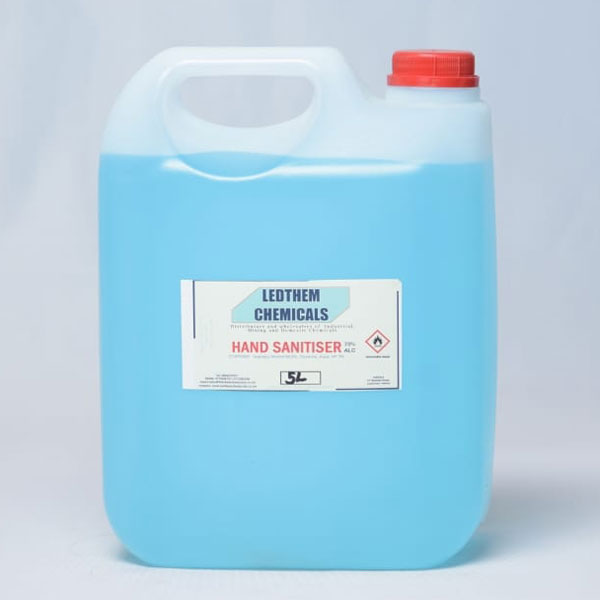
Mortuary Chemicals

Mortuary chemicals, used in the embalming and preparation of human remains, disinfect the body, preserve the tissues, and restore a natural appearance.
Description
Mortuary chemicals are a variety of chemicals used in the embalming and preparation of human remains. They are typically formaldehyde-based, but may also contain other chemicals such as methanol, glutaraldehyde, and glycerin. Mortuary chemicals are used to disinfect the body, preserve the tissues, and restore a natural appearance.
Here are some of the key features of mortuary chemicals:
- Disinfectant: Mortuary chemicals can kill a wide range of bacteria, viruses, and fungi.
- Preservative: Mortuary chemicals can prevent the decay of tissues.
- Restorative: Mortuary chemicals can be used to restore a natural appearance to the skin and tissues.
- Effective: Mortuary chemicals are very effective at preserving and restoring human remains.
Mortuary chemicals are a necessary part of the embalming process, but they can also be harmful if they are not handled properly. It is important to read the label carefully and to follow the safety precautions when using mortuary chemicals.
Here are some additional details about mortuary chemicals:
- The active ingredient in most mortuary chemicals is formaldehyde.
- Mortuary chemicals are available in a variety of concentrations, typically ranging from 10% to 37% formaldehyde.
- Mortuary chemicals should be stored in a cool, dark place.
- Mortuary chemicals should not be mixed with other chemicals, as this can create dangerous fumes.
Additional information
| Chemical Category | CLINICAL, Clinical Detergents, DOMESTIC, Domestic Detergents, INDUSTRIAL, Industrial Detergents, MINING, Mining Detergents |
|---|
Quick Comparison
| Settings | Mortuary Chemicals remove | Nitric Acid remove | Menthanol remove | Methylated Spirit remove | Xylene remove | Hexane remove | ||||||||||||
|---|---|---|---|---|---|---|---|---|---|---|---|---|---|---|---|---|---|---|
| Image | | |  | 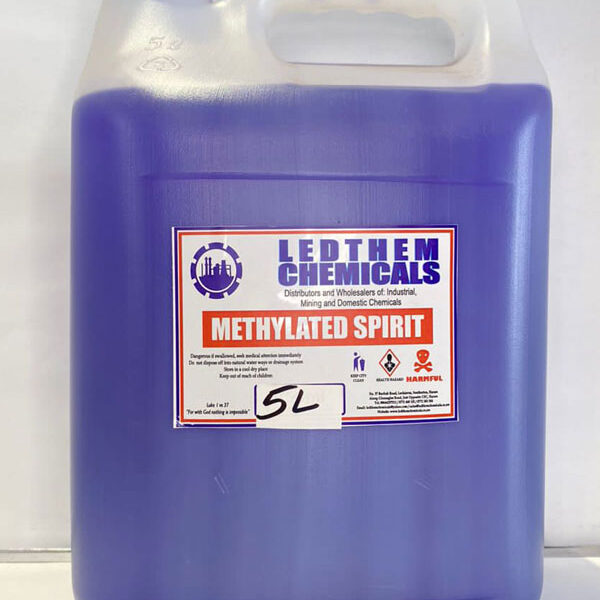 | 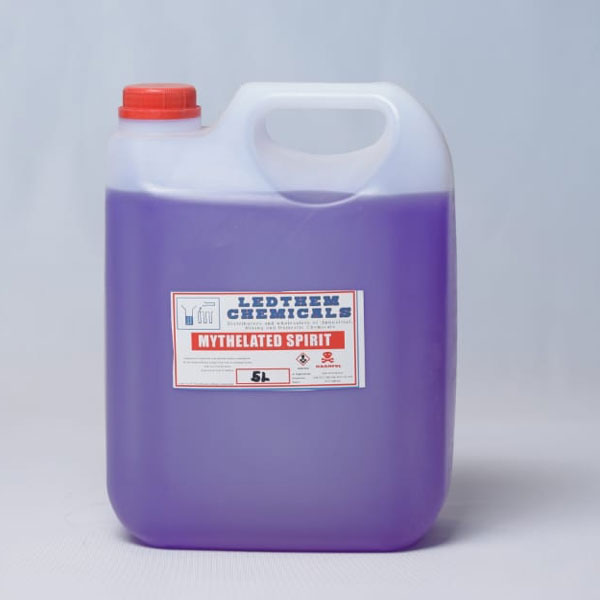 | 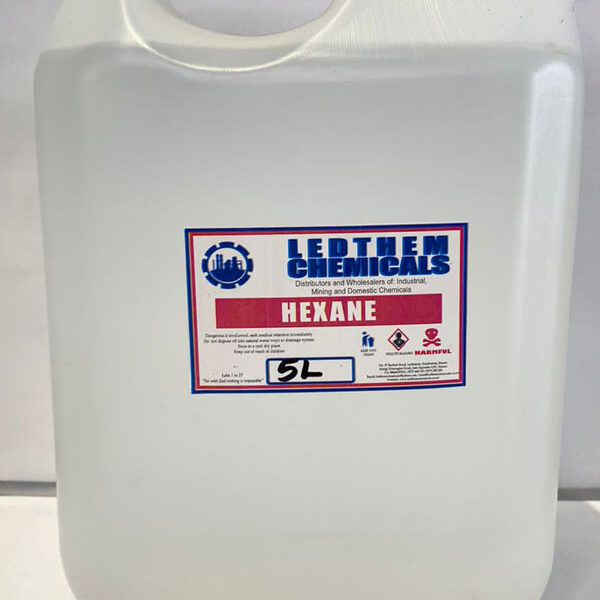 | ||||||||||||
| SKU | ||||||||||||||||||
| Rating | ||||||||||||||||||
| Price | ||||||||||||||||||
| Stock | In Stock
| In Stock
| In Stock
| In Stock
| In Stock
| In Stock
| ||||||||||||
| Availability | In Stock | In Stock | In Stock | In Stock | In Stock | In Stock | ||||||||||||
| Add to cart | ||||||||||||||||||
| Description | Mortuary chemicals, used in the embalming and preparation of human remains, disinfect the body, preserve the tissues, and restore a natural appearance. | Nitric acid is used for the production of ammonium nitrate, a component of fertilizers, making explosives nitroglycerin, trinitrotoluene, oxidizing metals. | Menthanol is used in a variety of industrial and commercial applications, including solvents and degreasers, cleaners and fuel. Available at ledthem chemicals. | What is Methylated Spirit? It is a suitable alternative to isopropyl Alcohol where solubility is not critical or can be assisted by other formula components | Xylene, Appears as a colorless watery liquid with a sweet odor. Less dense than water. Insoluble in water. Irritating vapor | |||||||||||||
| Content | Mortuary chemicals are a variety of chemicals used in the embalming and preparation of human remains. They are typically formaldehyde-based, but may also contain other chemicals such as methanol, glutaraldehyde, and glycerin. Mortuary chemicals are used to disinfect the body, preserve the tissues, and restore a natural appearance. Here are some of the key features of mortuary chemicals:
Mortuary chemicals are a necessary part of the embalming process, but they can also be harmful if they are not handled properly. It is important to read the label carefully and to follow the safety precautions when using mortuary chemicals. Here are some additional details about mortuary chemicals:
| Nitric acid is used for the production of ammonium nitrate, a major component of fertilizers. It is also used for producing explosives like nitroglycerin and trinitrotoluene (TNT) and for oxidizing metals. | Menthanol is a clear, colorless, flammable liquid with a mild odor. It is a type of alcohol that is made from wood or petroleum. Menthanol is used in a variety of industrial and commercial applications, including:
Menthanol is a hazardous material and should be handled with care. It is flammable and can cause skin irritation and respiratory problems. It is important to read and follow all safety precautions when using Menthanol. Here are some of the safety precautions to take when using Menthanol:
If you accidentally spill Menthanol, clean it up immediately with a damp cloth. Do not flush it down the drain. | What is Methylated Spirit? It is a suitable alternative to isopropyl Alcohol where solubility is not critical or can be assisted by other formula components | Xylene, Appears as a colorless watery liquid with a sweet odor. Less dense than water. Insoluble in water. Irritating vapor | Hexane is a colorless, flammable liquid with a gasoline-like odor. It is a hydrocarbon, meaning that it is made up of only hydrogen and carbon atoms. Hexane is a common solvent, and it is used in a variety of industries, including:
Hexane is also a potential health hazard. It can be harmful if inhaled, swallowed, or absorbed through the skin. Acute exposure to hexane can cause dizziness, headache, nausea, and vomiting. Chronic exposure can lead to nerve damage, including numbness, tingling, and weakness in the hands and feet. The EPA has classified hexane as a hazardous air pollutant. This means that it is a substance that can cause harm to human health or the environment if released into the air. The EPA has also set limits on the amount of hexane that can be released into the air from industrial sources. If you are working with hexane, it is important to take precautions to protect yourself from exposure. These precautions include:
If you are exposed to hexane, it is important to seek medical attention immediately. Here are some additional information about hexane:
| ||||||||||||
| Weight | ||||||||||||||||||
| Dimensions | N/A | N/A | N/A | N/A | N/A | N/A | ||||||||||||
| Additional information |
|
|
|
|
|
|


Reviews
There are no reviews yet.