


Citric Acid

Citric acid is used as a flavoring agent and preservative in food. It is also used to make jams and jellies, cosmetics and cleaning products. Available Harare
Description
Citric acid is a weak organic acid that is found naturally in citrus fruits, such as lemons and oranges. It is also produced synthetically. Citric acid is a white, odorless, and crystalline solid. It is soluble in water and alcohol.
Product description:
- White, odorless, and crystalline solid
- Weak organic acid
- Found naturally in citrus fruits
- Produced synthetically
- Soluble in water and alcohol
- Used in a variety of applications, including food, cosmetics, and cleaning products
- Generally recognized as safe (GRAS) by the FDA
Uses:
- Food: Citric acid is used as a flavoring agent and preservative in food. It is also used to make jams and jellies.
- Cosmetics: Citric acid is used in cosmetics as a chelating agent, which means it binds to metal ions and prevents them from reacting with other ingredients. It is also used to adjust the pH of cosmetics.
- Cleaning products: Citric acid is used in cleaning products as a mild acid that can remove stains and dirt. It is also used to descale appliances.
Additional information
| Chemical Category | CLINICAL, Clinical Acids, DOMESTIC, Domestic Acids, INDUSTRIAL, Industrial Acids, MINING, Mining Acids |
|---|
Quick Comparison
| Settings | Citric Acid remove | Butyl Oxitol remove | Ethanol remove | NPA remove | TOLUENE remove | Benzine remove | ||||||||||||
|---|---|---|---|---|---|---|---|---|---|---|---|---|---|---|---|---|---|---|
| Image | | 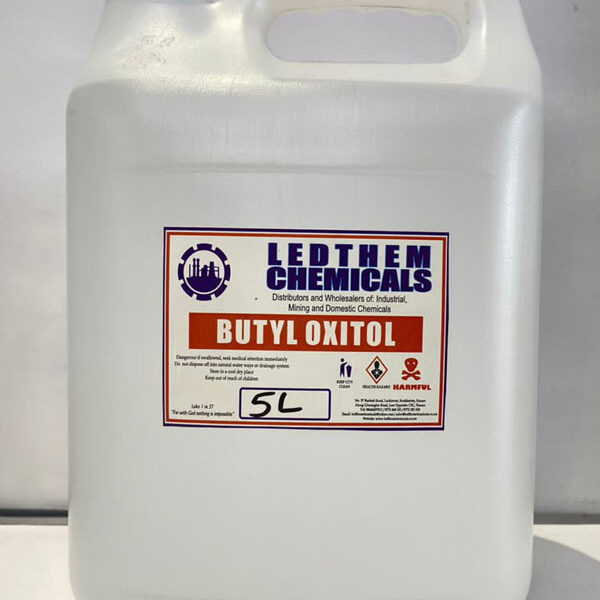 | 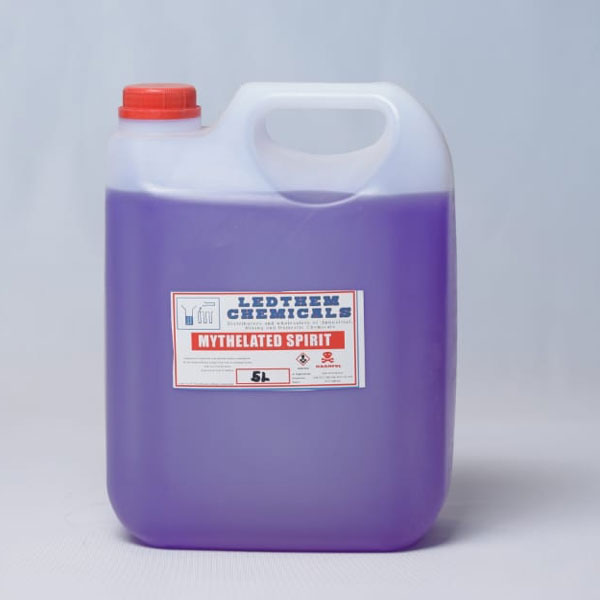 | 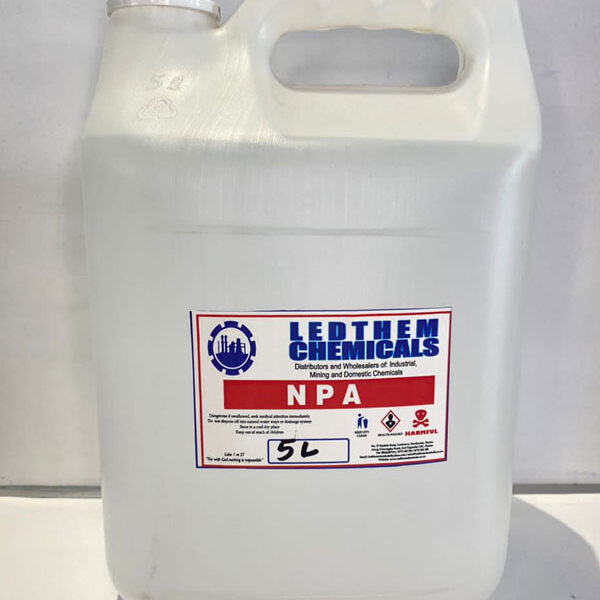 |  | 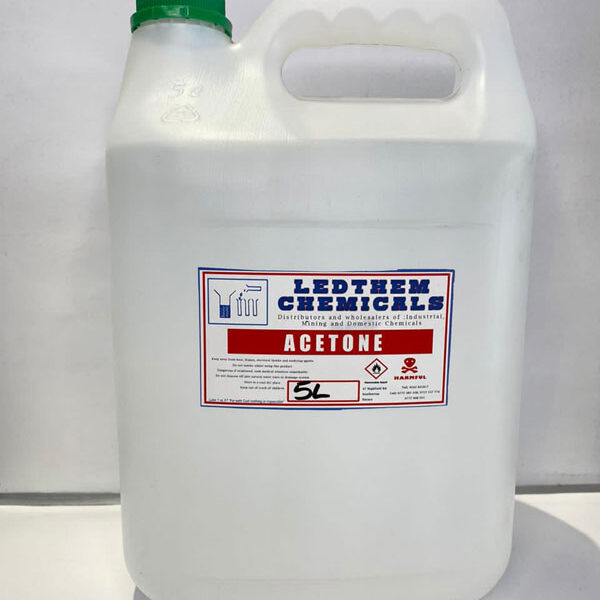 | ||||||||||||
| SKU | ||||||||||||||||||
| Rating | ||||||||||||||||||
| Price | ||||||||||||||||||
| Stock | In Stock
| In Stock
| In Stock
| In Stock
| In Stock
| In Stock
| ||||||||||||
| Availability | In Stock | In Stock | In Stock | In Stock | In Stock | In Stock | ||||||||||||
| Add to cart | ||||||||||||||||||
| Description | Citric acid is used as a flavoring agent and preservative in food. It is also used to make jams and jellies, cosmetics and cleaning products. Available Harare | Butyl Oxitol is a colorless liquid has a sweet, ether like odor as it derives from the family of glycol ethers, it is used in domestic and industrial products. | Ethanol is used in a variety of industrial and commercial applications, including degreaser, fuel, antifreeze, Pharmaceutical, cleaning and solvent | Widely used as solvent for coatings, pharma applications, other industrial processes and in electronic industry and printing . Also finds medical/personal hygiene applications as rubbing alcohol, hand sanitizer, and disinfecting pads typically contain a 60-70 solution of isopropyl alcohol in water, is also used as a water drying aid | Is a clear, colorless liquid with a distinctive sweet smell used in industrial settings as a solvent. Toluene is also an ingredient in some consumer products such as paints, glues and nail polish removers. | Benzine Is an aromatic hydrocarbon extracted from cracked gasoline, etc. It is used as a raw material for styrene phenol, cyclohexane, and other chemicals | ||||||||||||
| Content | Citric acid is a weak organic acid that is found naturally in citrus fruits, such as lemons and oranges. It is also produced synthetically. Citric acid is a white, odorless, and crystalline solid. It is soluble in water and alcohol. Product description:
Uses:
| Butyl Oxitol is a colorless liquid has a sweet, ether like odor as it derives from the family of glycol ethers, it is used in many domestic and industrial products because of its properties as a surfactant. | Ethanol, also known as ethyl alcohol, grain alcohol, or drinking alcohol, is a clear, colorless, flammable liquid with a mild odor. It is a type of alcohol that is made from the fermentation of sugars or starches. Ethanol is used in a variety of industrial and commercial applications, including:
Ethanol is a renewable resource and produces fewer emissions than gasoline. It is a versatile solvent with many uses. It is important to use it safely and responsibly. Here are some of the benefits of using Ethanol:
If you are looking for a renewable, low-emission fuel or solvent, then Ethanol is a good option. Here are some additional details that you may want to include in your product description:
| NPA Widely used as solvent for coatings, pharma applications, other industrial processes and in electronic industry and printing . Also finds medical/personal hygiene applications as rubbing alcohol, hand sanitizer, and disinfecting pads typically contain a 60-70 solution of isopropyl alcohol in water, is also used as a water drying aid | Is a clear, colorless liquid with a distinctive sweet smell used in industrial settings as a solvent. Toluene is also an ingredient in some consumer products such as paints, glues and nail polish removers. | Benzine Is an aromatic hydrocarbon extracted from cracked gasoline, etc. It is used as a raw material for styrene phenol, cyclohexane, and various other chemicals. It is also used as a solvent | ||||||||||||
| Weight | ||||||||||||||||||
| Dimensions | N/A | N/A | N/A | N/A | N/A | N/A | ||||||||||||
| Additional information |
|
|
|
|
|
|

Reviews
There are no reviews yet.