


Citric Acid

Citric acid is used as a flavoring agent and preservative in food. It is also used to make jams and jellies, cosmetics and cleaning products. Available Harare
Description
Citric acid is a weak organic acid that is found naturally in citrus fruits, such as lemons and oranges. It is also produced synthetically. Citric acid is a white, odorless, and crystalline solid. It is soluble in water and alcohol.
Product description:
- White, odorless, and crystalline solid
- Weak organic acid
- Found naturally in citrus fruits
- Produced synthetically
- Soluble in water and alcohol
- Used in a variety of applications, including food, cosmetics, and cleaning products
- Generally recognized as safe (GRAS) by the FDA
Uses:
- Food: Citric acid is used as a flavoring agent and preservative in food. It is also used to make jams and jellies.
- Cosmetics: Citric acid is used in cosmetics as a chelating agent, which means it binds to metal ions and prevents them from reacting with other ingredients. It is also used to adjust the pH of cosmetics.
- Cleaning products: Citric acid is used in cleaning products as a mild acid that can remove stains and dirt. It is also used to descale appliances.
Additional information
| Chemical Category | CLINICAL, Clinical Acids, DOMESTIC, Domestic Acids, INDUSTRIAL, Industrial Acids, MINING, Mining Acids |
|---|
Quick Comparison
| Settings | Citric Acid remove | IPA remove | Roller Wash remove | Alcosol remove | Dish Washer remove | Toilet Cleaner remove | ||||||||||||
|---|---|---|---|---|---|---|---|---|---|---|---|---|---|---|---|---|---|---|
| Image | | 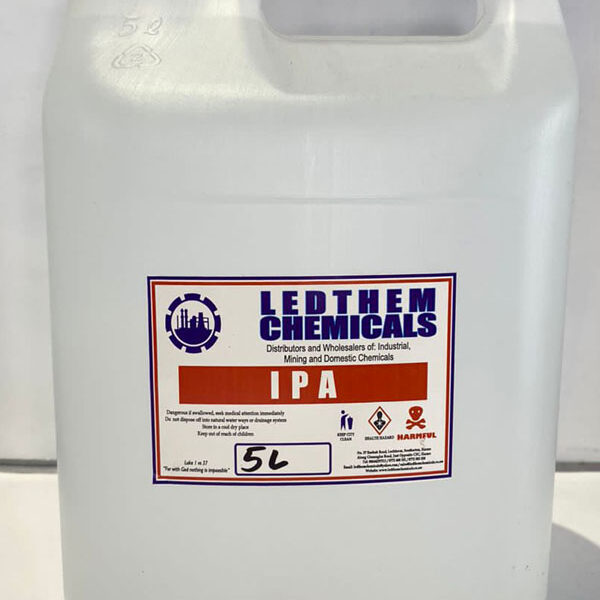 | 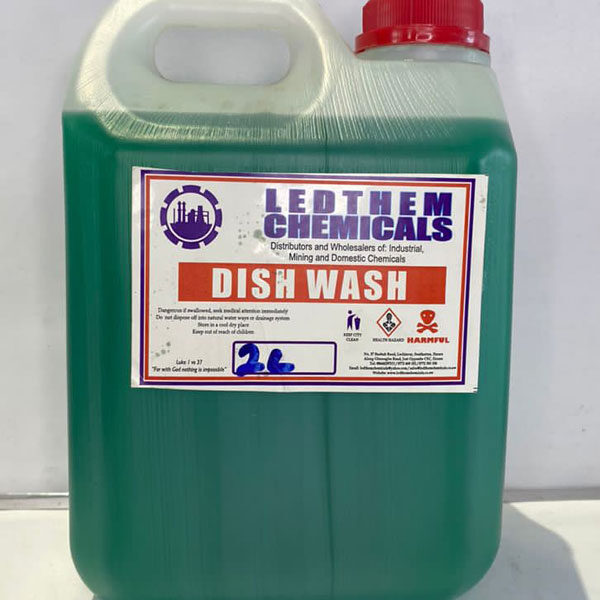 |  | | 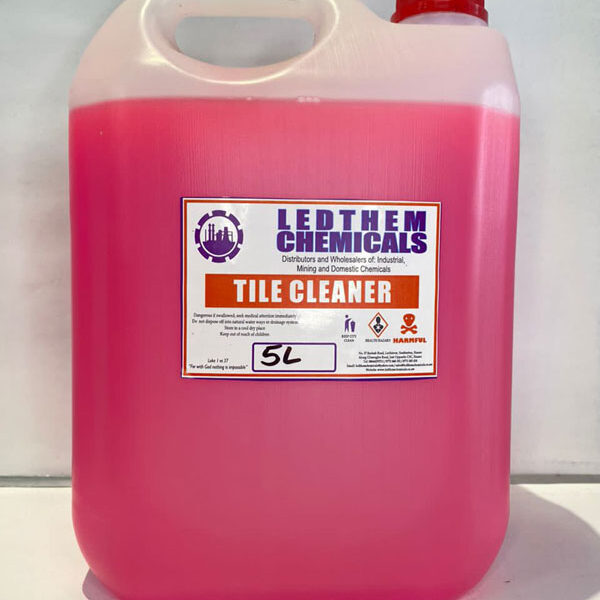 | ||||||||||||
| SKU | ||||||||||||||||||
| Rating | ||||||||||||||||||
| Price | ||||||||||||||||||
| Stock | In Stock | In Stock | In Stock | In Stock | In Stock | In Stock | ||||||||||||
| Availability | In Stock | In Stock | In Stock | In Stock | In Stock | In Stock | ||||||||||||
| Add to cart | ||||||||||||||||||
| Description | Citric acid is used as a flavoring agent and preservative in food. It is also used to make jams and jellies, cosmetics and cleaning products. Available Harare | Roller washer Can not be mixed with water , contains anti- corrosion so it is safe for metal parts, suitable for washing offset machines using UV offset inks | Alcosol is a colloidal solution of a solid in alcohol. It is used in making personal care products, Pharmaceutical, Degreasers, Solvents. available in Harare | dish washer, anti bacteria and intensified grease cutting power for faster removal of grease ,fats and oils in dishes, pots and other kitchen utensils | Toilet cleaner a powerful stain remove of dirt, rust and smile from tiles, urinals grout and toilet bowls kills bacteria and leaves a clean fresh odor | |||||||||||||
| Content | Citric acid is a weak organic acid that is found naturally in citrus fruits, such as lemons and oranges. It is also produced synthetically. Citric acid is a white, odorless, and crystalline solid. It is soluble in water and alcohol. Product description:
Uses:
| Widely used as solvent for coatings, pharma applications, other industrial processes and in electronic industry and printing . Also finds medical/personal hygiene applications as rubbing alcohol, hand sanitizer, and disinfecting pads typically contain a 60-70 solution of isopropyl alcohol in water, is also used as a water drying aid | Roller washer Can not be mixed with water , contains anti- corrosion so it is safe for metal parts, suitable for washing offset machines using UV offset inks | Alcosol is a colloidal solution of a solid in alcohol. The alcohol is the dispersion medium and the solid is the dispersed phase. Alcosols are typically clear and colorless liquids. They are used in a variety of applications, including:
Alcosols are generally safe to use when handled properly. However, it is important to read and follow all safety precautions when using Alcosols. Here are some of the safety precautions to take when using Alcosols:
If you accidentally spill Alcosols, clean it up immediately with a damp cloth. Do not flush it down the drain. Alcosols are a versatile type of colloidal solution that can be used for a variety of applications. It is important to use them safely and responsibly. | Dish washer is an all purpose dish washing formula with anti bacteria and intensified grease cutting power for faster and more efficient removal of grease, fats and oils in dishes, pots and other kitchen utensils | Toilet cleaner a powerful stain remover. It removes dirt, rust and slime from tiles, urinals grout and toilet bowls. This product kills bacteria and leaves a clean and fresh odor after application | ||||||||||||
| Weight | ||||||||||||||||||
| Dimensions | N/A | N/A | N/A | N/A | N/A | N/A | ||||||||||||
| Additional information |
|
|
|
|
|
|


Reviews
There are no reviews yet.