


Citric Acid

Citric acid is used as a flavoring agent and preservative in food. It is also used to make jams and jellies, cosmetics and cleaning products. Available Harare
Description
Citric acid is a weak organic acid that is found naturally in citrus fruits, such as lemons and oranges. It is also produced synthetically. Citric acid is a white, odorless, and crystalline solid. It is soluble in water and alcohol.
Product description:
- White, odorless, and crystalline solid
- Weak organic acid
- Found naturally in citrus fruits
- Produced synthetically
- Soluble in water and alcohol
- Used in a variety of applications, including food, cosmetics, and cleaning products
- Generally recognized as safe (GRAS) by the FDA
Uses:
- Food: Citric acid is used as a flavoring agent and preservative in food. It is also used to make jams and jellies.
- Cosmetics: Citric acid is used in cosmetics as a chelating agent, which means it binds to metal ions and prevents them from reacting with other ingredients. It is also used to adjust the pH of cosmetics.
- Cleaning products: Citric acid is used in cleaning products as a mild acid that can remove stains and dirt. It is also used to descale appliances.
Additional information
| Chemical Category | CLINICAL, Clinical Acids, DOMESTIC, Domestic Acids, INDUSTRIAL, Industrial Acids, MINING, Mining Acids |
|---|
Quick Comparison
| Settings | Citric Acid remove | Mek remove | Surgical Spirit remove | NPA remove | Industrial 95 remove | Hexane remove | ||||||||||||
|---|---|---|---|---|---|---|---|---|---|---|---|---|---|---|---|---|---|---|
| Image | | 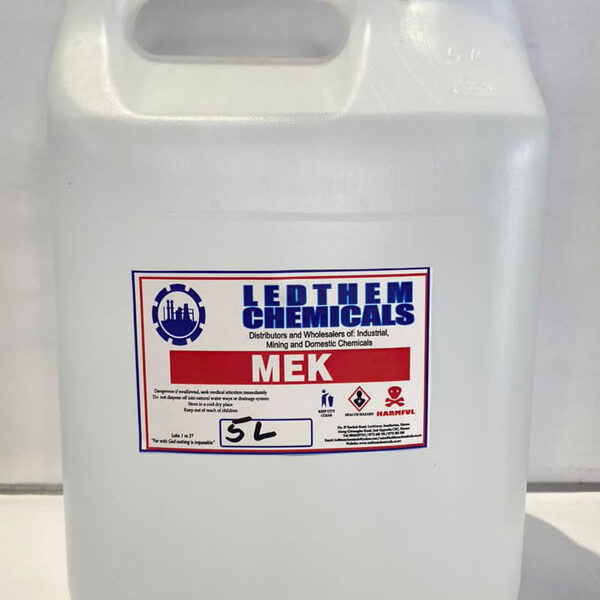 | 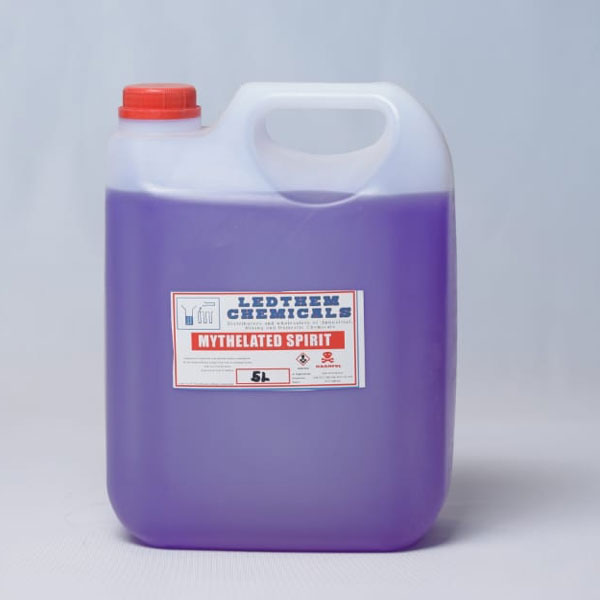 | 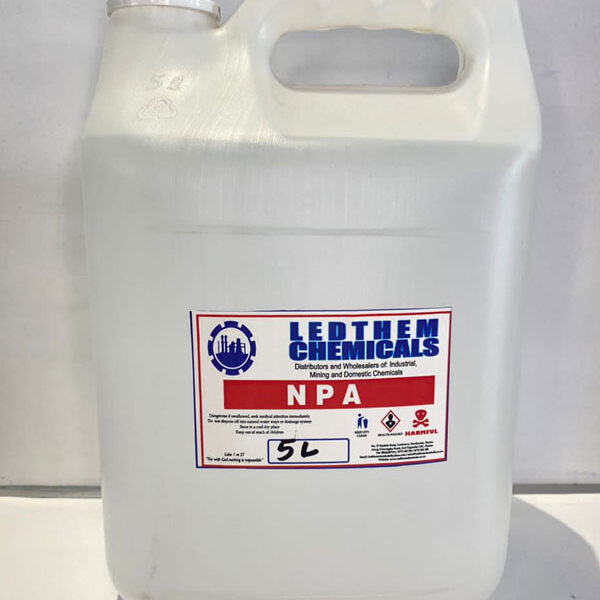 |  | 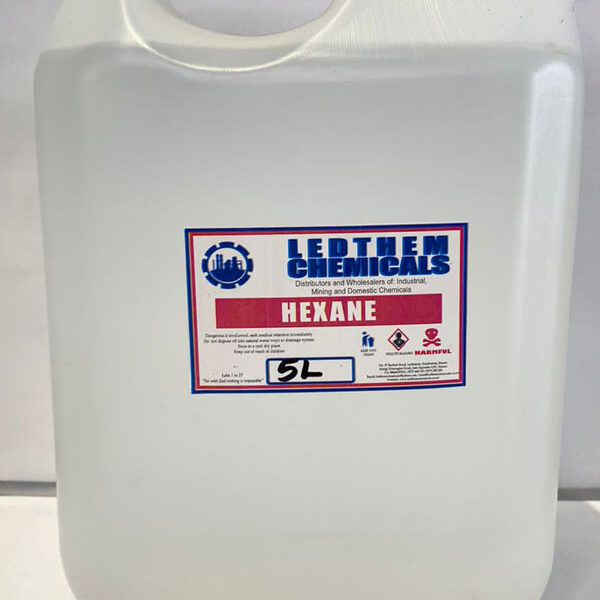 | ||||||||||||
| SKU | ||||||||||||||||||
| Rating | ||||||||||||||||||
| Price | ||||||||||||||||||
| Stock | In Stock
| In Stock
| In Stock
| In Stock
| In Stock
| In Stock
| ||||||||||||
| Availability | In Stock | In Stock | In Stock | In Stock | In Stock | In Stock | ||||||||||||
| Add to cart | ||||||||||||||||||
| Description | Citric acid is used as a flavoring agent and preservative in food. It is also used to make jams and jellies, cosmetics and cleaning products. Available Harare | Mek is one of many products offered by Ledthem chemicals. Get in touch for more on description. | What is the use of Surgical Spirit? The spirit is applied to the surface of the skin for use as cleansing agent and it also has antiseptic properties | Widely used as solvent for coatings, pharma applications, other industrial processes and in electronic industry and printing . Also finds medical/personal hygiene applications as rubbing alcohol, hand sanitizer, and disinfecting pads typically contain a 60-70 solution of isopropyl alcohol in water, is also used as a water drying aid | Industrial 95 is a high-quality, 95% pure white spirit solvent that is ideal for industrial applications, pharmaceuticals, cosmetics, and other products etc. | |||||||||||||
| Content | Citric acid is a weak organic acid that is found naturally in citrus fruits, such as lemons and oranges. It is also produced synthetically. Citric acid is a white, odorless, and crystalline solid. It is soluble in water and alcohol. Product description:
Uses:
| Mek is one of many products offered by Ledthem chemicals. Get in touch for more on description. | What is in Surgical Spirit? It contains diethyl phthalate BP, castor oil and industrial methylated spirit BP. The spirit is applied to the surface of the skin for use as cleansing agent and it also has antiseptic properties | NPA Widely used as solvent for coatings, pharma applications, other industrial processes and in electronic industry and printing . Also finds medical/personal hygiene applications as rubbing alcohol, hand sanitizer, and disinfecting pads typically contain a 60-70 solution of isopropyl alcohol in water, is also used as a water drying aid | Industrial 95 is a high-quality, 95% pure white spirit solvent that is ideal for a variety of industrial applications. It is a clear, colorless liquid with a mild odor and is less flammable and toxic than turpentine. Industrial 95 is used for thinning oil-based paints and varnishes, cleaning paint brushes and other tools, removing adhesives and stains, priming surfaces before painting, making inks and dyes, and solvent for cleaning and degreasing metal parts. It is also used in the manufacture of pharmaceuticals, cosmetics, and other products. Industrial 95 is a flammable and volatile liquid, so it should be handled with care. It should be stored in a cool, well-ventilated area, and away from heat and open flames. When using Industrial 95, it is important to wear gloves and eye protection to avoid skin contact and inhalation of fumes. Here are some of the benefits of using Industrial 95:
If you are looking for a high-quality, versatile solvent for your industrial needs, then Industrial 95 is the perfect choice for you. Here are some additional details that you may want to include in your product description:
| Hexane is a colorless, flammable liquid with a gasoline-like odor. It is a hydrocarbon, meaning that it is made up of only hydrogen and carbon atoms. Hexane is a common solvent, and it is used in a variety of industries, including:
Hexane is also a potential health hazard. It can be harmful if inhaled, swallowed, or absorbed through the skin. Acute exposure to hexane can cause dizziness, headache, nausea, and vomiting. Chronic exposure can lead to nerve damage, including numbness, tingling, and weakness in the hands and feet. The EPA has classified hexane as a hazardous air pollutant. This means that it is a substance that can cause harm to human health or the environment if released into the air. The EPA has also set limits on the amount of hexane that can be released into the air from industrial sources. If you are working with hexane, it is important to take precautions to protect yourself from exposure. These precautions include:
If you are exposed to hexane, it is important to seek medical attention immediately. Here are some additional information about hexane:
| ||||||||||||
| Weight | ||||||||||||||||||
| Dimensions | N/A | N/A | N/A | N/A | N/A | N/A | ||||||||||||
| Additional information |
|
|
|
|
|
|


Reviews
There are no reviews yet.