


Boric Acid

Boric acid is a white, odorless, and tasteless crystalline solid. It is a weak acid and is often used as an insecticide, antiseptic, and fire retardant.
Description
Boric acid is a white, odorless, and tasteless crystalline solid. It is a weak acid and is often used as an insecticide, antiseptic, and fire retardant.
Product description:
- White, odorless, and tasteless crystalline solid
- Weak acid
- Used as an insecticide, antiseptic, and fire retardant
- Can be corrosive to metals and tissue
- May cause eye and skin irritation
- May be harmful if swallowed
Uses:
- Insecticide: Boric acid is used as an insecticide to kill insects, such as cockroaches, ants, and termites. It works by disrupting the insect’s metabolism.
- Antiseptic: Boric acid is used as an antiseptic to kill bacteria and fungi. It is often used to clean wounds and to prevent infections.
- Fire retardant: Boric acid is used as a fire retardant to prevent the spread of fire. It is often added to materials, such as wood and fabric, to make them fire resistant.
Safety:
Boric acid is a corrosive substance and can cause skin irritation, eye damage, and burns. It is important to handle boric acid with care and to wear gloves, goggles, and a respirator when working with it.
Additional safety information:
- Boric acid is not safe to ingest. If swallowed, it can cause nausea, vomiting, diarrhea, and even death.
- Boric acid can be harmful to pets. If your pet ingests boric acid, contact your veterinarian immediately.
- Boric acid should not be used near children or pregnant women.
Additional information
| Chemical Category | CLINICAL, Clinical Acids, DOMESTIC, Domestic Acids, INDUSTRIAL, Industrial Acids, MINING, Mining Acids |
|---|
Quick Comparison
| Settings | Boric Acid remove | Roller Wash remove | Methylated Spirit remove | Xylene remove | Surgical Spirit remove | 2K THINNERS remove | ||||||||||||
|---|---|---|---|---|---|---|---|---|---|---|---|---|---|---|---|---|---|---|
| Image | |  | 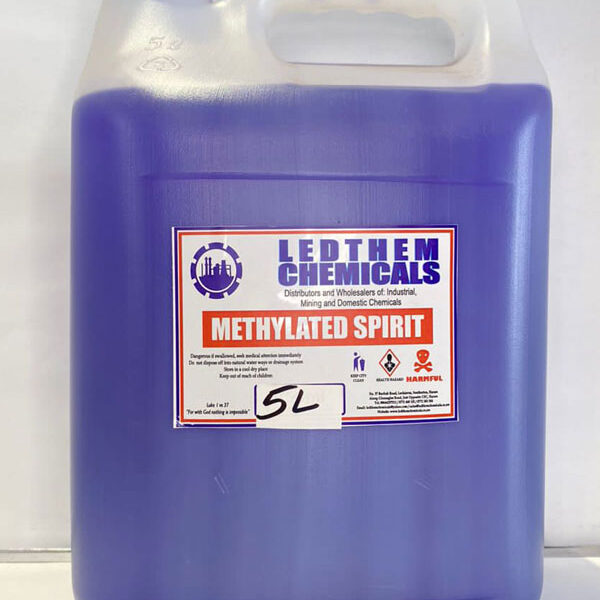 | 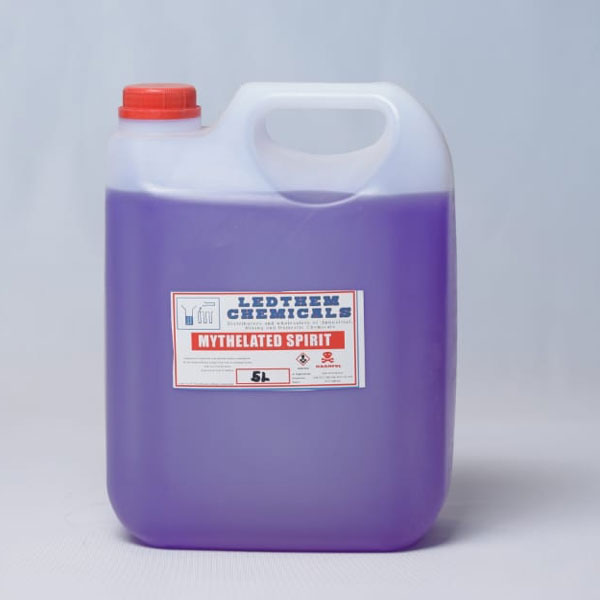 | | | ||||||||||||
| SKU | ||||||||||||||||||
| Rating | ||||||||||||||||||
| Price | ||||||||||||||||||
| Stock | In Stock
| In Stock
| In Stock
| In Stock
| In Stock
| In Stock
| ||||||||||||
| Availability | In Stock | In Stock | In Stock | In Stock | In Stock | In Stock | ||||||||||||
| Add to cart | ||||||||||||||||||
| Description | Boric acid is a white, odorless, and tasteless crystalline solid. It is a weak acid and is often used as an insecticide, antiseptic, and fire retardant. | Roller washer Can not be mixed with water , contains anti- corrosion so it is safe for metal parts, suitable for washing offset machines using UV offset inks | What is Methylated Spirit? It is a suitable alternative to isopropyl Alcohol where solubility is not critical or can be assisted by other formula components | Xylene, Appears as a colorless watery liquid with a sweet odor. Less dense than water. Insoluble in water. Irritating vapor | What is the use of Surgical Spirit? The spirit is applied to the surface of the skin for use as cleansing agent and it also has antiseptic properties | For special automotive paints especially 2k paints. | ||||||||||||
| Content | Boric acid is a white, odorless, and tasteless crystalline solid. It is a weak acid and is often used as an insecticide, antiseptic, and fire retardant. Product description:
Uses:
Safety: Boric acid is a corrosive substance and can cause skin irritation, eye damage, and burns. It is important to handle boric acid with care and to wear gloves, goggles, and a respirator when working with it. Additional safety information:
| Roller washer Can not be mixed with water , contains anti- corrosion so it is safe for metal parts, suitable for washing offset machines using UV offset inks | What is Methylated Spirit? It is a suitable alternative to isopropyl Alcohol where solubility is not critical or can be assisted by other formula components | Xylene, Appears as a colorless watery liquid with a sweet odor. Less dense than water. Insoluble in water. Irritating vapor | What is in Surgical Spirit? It contains diethyl phthalate BP, castor oil and industrial methylated spirit BP. The spirit is applied to the surface of the skin for use as cleansing agent and it also has antiseptic properties | For special automotive paints especially 2k paints. | ||||||||||||
| Weight | ||||||||||||||||||
| Dimensions | N/A | N/A | N/A | N/A | N/A | N/A | ||||||||||||
| Additional information |
|
|
|
|
|
|


Reviews
There are no reviews yet.