


Boric Acid

Boric acid is a white, odorless, and tasteless crystalline solid. It is a weak acid and is often used as an insecticide, antiseptic, and fire retardant.
Description
Boric acid is a white, odorless, and tasteless crystalline solid. It is a weak acid and is often used as an insecticide, antiseptic, and fire retardant.
Product description:
- White, odorless, and tasteless crystalline solid
- Weak acid
- Used as an insecticide, antiseptic, and fire retardant
- Can be corrosive to metals and tissue
- May cause eye and skin irritation
- May be harmful if swallowed
Uses:
- Insecticide: Boric acid is used as an insecticide to kill insects, such as cockroaches, ants, and termites. It works by disrupting the insect’s metabolism.
- Antiseptic: Boric acid is used as an antiseptic to kill bacteria and fungi. It is often used to clean wounds and to prevent infections.
- Fire retardant: Boric acid is used as a fire retardant to prevent the spread of fire. It is often added to materials, such as wood and fabric, to make them fire resistant.
Safety:
Boric acid is a corrosive substance and can cause skin irritation, eye damage, and burns. It is important to handle boric acid with care and to wear gloves, goggles, and a respirator when working with it.
Additional safety information:
- Boric acid is not safe to ingest. If swallowed, it can cause nausea, vomiting, diarrhea, and even death.
- Boric acid can be harmful to pets. If your pet ingests boric acid, contact your veterinarian immediately.
- Boric acid should not be used near children or pregnant women.
Additional information
| Chemical Category | CLINICAL, Clinical Acids, DOMESTIC, Domestic Acids, INDUSTRIAL, Industrial Acids, MINING, Mining Acids |
|---|
Quick Comparison
| Settings | Boric Acid remove | Nitric Acid remove | Benzine remove | Roller Wash remove | Menthanol remove | Dish Washer remove | ||||||||||||
|---|---|---|---|---|---|---|---|---|---|---|---|---|---|---|---|---|---|---|
| Image | |  |  | 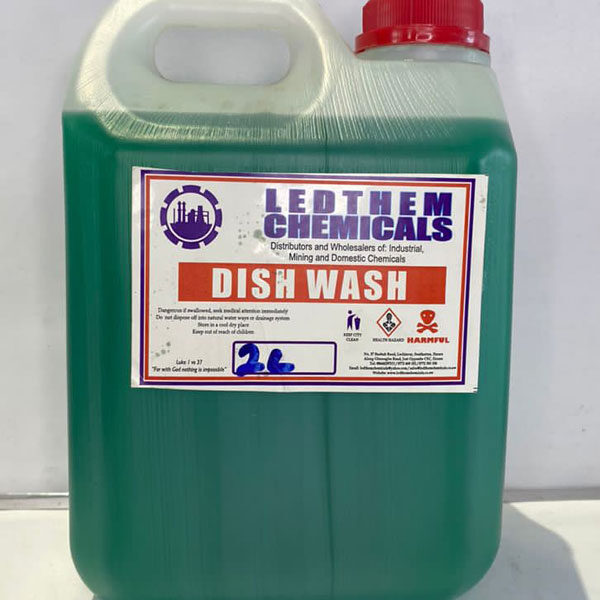 |  | | ||||||||||||
| SKU | ||||||||||||||||||
| Rating | ||||||||||||||||||
| Price | ||||||||||||||||||
| Stock | In Stock
| In Stock
| In Stock
| In Stock
| In Stock
| In Stock
| ||||||||||||
| Availability | In Stock | In Stock | In Stock | In Stock | In Stock | In Stock | ||||||||||||
| Add to cart | ||||||||||||||||||
| Description | Boric acid is a white, odorless, and tasteless crystalline solid. It is a weak acid and is often used as an insecticide, antiseptic, and fire retardant. | Nitric acid is used for the production of ammonium nitrate, a component of fertilizers, making explosives nitroglycerin, trinitrotoluene, oxidizing metals. | Benzine Is an aromatic hydrocarbon extracted from cracked gasoline, etc. It is used as a raw material for styrene phenol, cyclohexane, and other chemicals | Roller washer Can not be mixed with water , contains anti- corrosion so it is safe for metal parts, suitable for washing offset machines using UV offset inks | Menthanol is used in a variety of industrial and commercial applications, including solvents and degreasers, cleaners and fuel. Available at ledthem chemicals. | dish washer, anti bacteria and intensified grease cutting power for faster removal of grease ,fats and oils in dishes, pots and other kitchen utensils | ||||||||||||
| Content | Boric acid is a white, odorless, and tasteless crystalline solid. It is a weak acid and is often used as an insecticide, antiseptic, and fire retardant. Product description:
Uses:
Safety: Boric acid is a corrosive substance and can cause skin irritation, eye damage, and burns. It is important to handle boric acid with care and to wear gloves, goggles, and a respirator when working with it. Additional safety information:
| Nitric acid is used for the production of ammonium nitrate, a major component of fertilizers. It is also used for producing explosives like nitroglycerin and trinitrotoluene (TNT) and for oxidizing metals. | Benzine Is an aromatic hydrocarbon extracted from cracked gasoline, etc. It is used as a raw material for styrene phenol, cyclohexane, and various other chemicals. It is also used as a solvent | Roller washer Can not be mixed with water , contains anti- corrosion so it is safe for metal parts, suitable for washing offset machines using UV offset inks | Menthanol is a clear, colorless, flammable liquid with a mild odor. It is a type of alcohol that is made from wood or petroleum. Menthanol is used in a variety of industrial and commercial applications, including:
Menthanol is a hazardous material and should be handled with care. It is flammable and can cause skin irritation and respiratory problems. It is important to read and follow all safety precautions when using Menthanol. Here are some of the safety precautions to take when using Menthanol:
If you accidentally spill Menthanol, clean it up immediately with a damp cloth. Do not flush it down the drain. | Dish washer is an all purpose dish washing formula with anti bacteria and intensified grease cutting power for faster and more efficient removal of grease, fats and oils in dishes, pots and other kitchen utensils | ||||||||||||
| Weight | ||||||||||||||||||
| Dimensions | N/A | N/A | N/A | N/A | N/A | N/A | ||||||||||||
| Additional information |
|
|
|
|
|
|


Reviews
There are no reviews yet.