


Boric Acid

Boric acid is a white, odorless, and tasteless crystalline solid. It is a weak acid and is often used as an insecticide, antiseptic, and fire retardant.
Description
Boric acid is a white, odorless, and tasteless crystalline solid. It is a weak acid and is often used as an insecticide, antiseptic, and fire retardant.
Product description:
- White, odorless, and tasteless crystalline solid
- Weak acid
- Used as an insecticide, antiseptic, and fire retardant
- Can be corrosive to metals and tissue
- May cause eye and skin irritation
- May be harmful if swallowed
Uses:
- Insecticide: Boric acid is used as an insecticide to kill insects, such as cockroaches, ants, and termites. It works by disrupting the insect’s metabolism.
- Antiseptic: Boric acid is used as an antiseptic to kill bacteria and fungi. It is often used to clean wounds and to prevent infections.
- Fire retardant: Boric acid is used as a fire retardant to prevent the spread of fire. It is often added to materials, such as wood and fabric, to make them fire resistant.
Safety:
Boric acid is a corrosive substance and can cause skin irritation, eye damage, and burns. It is important to handle boric acid with care and to wear gloves, goggles, and a respirator when working with it.
Additional safety information:
- Boric acid is not safe to ingest. If swallowed, it can cause nausea, vomiting, diarrhea, and even death.
- Boric acid can be harmful to pets. If your pet ingests boric acid, contact your veterinarian immediately.
- Boric acid should not be used near children or pregnant women.
Additional information
| Chemical Category | CLINICAL, Clinical Acids, DOMESTIC, Domestic Acids, INDUSTRIAL, Industrial Acids, MINING, Mining Acids |
|---|
Quick Comparison
| Settings | Boric Acid remove | White Spirit remove | THINNERS remove | NPA remove | Mineral Turpentine remove | Mek remove | ||||||||||||
|---|---|---|---|---|---|---|---|---|---|---|---|---|---|---|---|---|---|---|
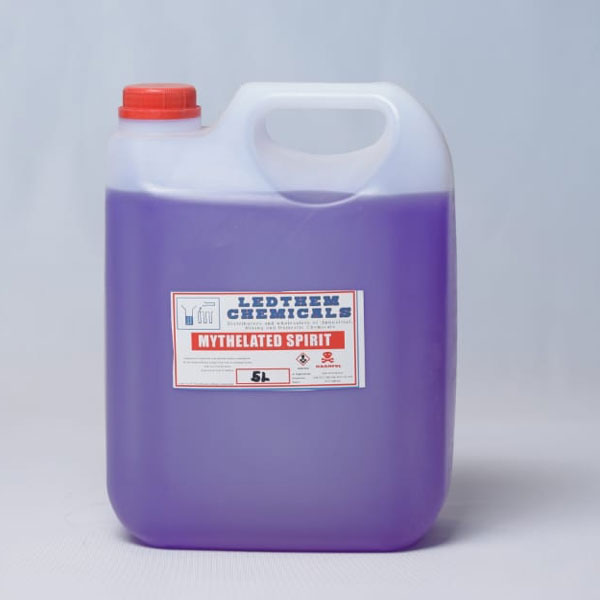
| Image | |  | 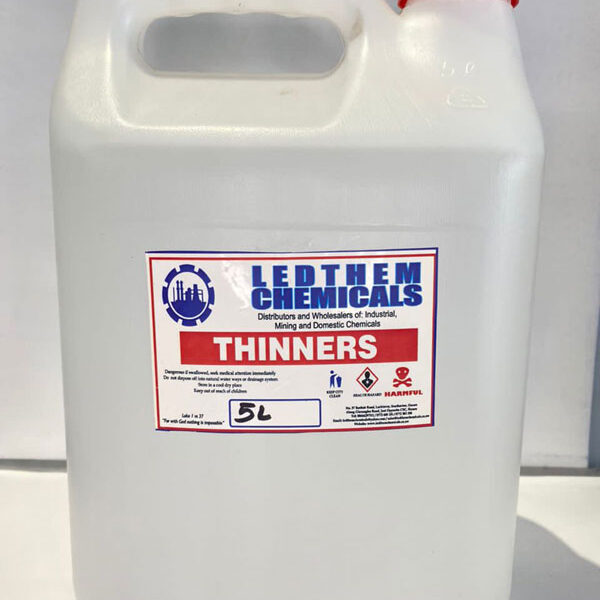 | 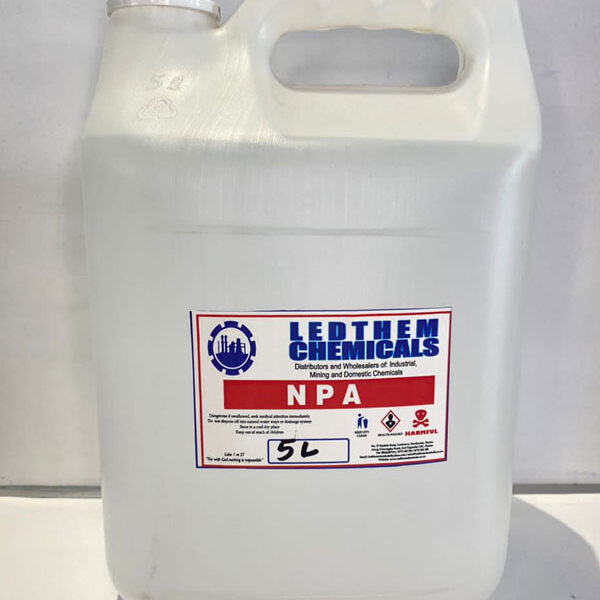 |  | 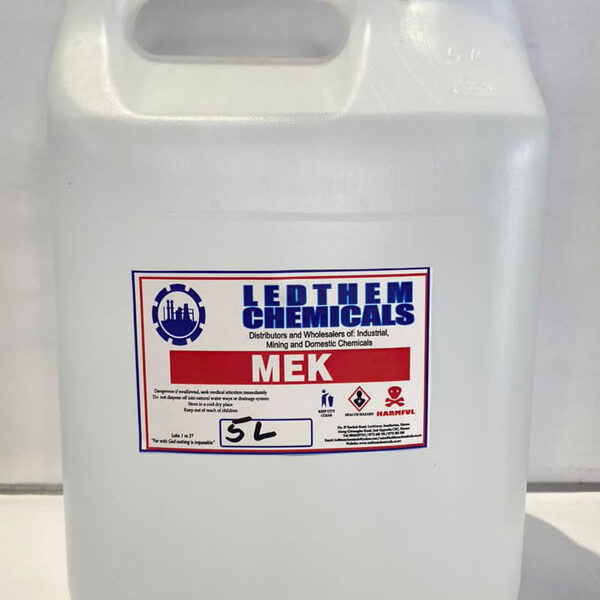 | ||||||||||||
| SKU | ||||||||||||||||||
| Rating | ||||||||||||||||||
| Price | ||||||||||||||||||
| Stock | In Stock
| In Stock
| In Stock
| In Stock
| In Stock
| In Stock
| ||||||||||||
| Availability | In Stock | In Stock | In Stock | In Stock | In Stock | In Stock | ||||||||||||
| Add to cart | ||||||||||||||||||
| Description | Boric acid is a white, odorless, and tasteless crystalline solid. It is a weak acid and is often used as an insecticide, antiseptic, and fire retardant. | White spirit is used for Making inks and dyes, Solvent for cleaning, degreasing metal parts, manufacture of pharmaceuticals, cosmetics, and other products | Colorless liquid used for thinning paints for steel automotive industry also known as laquor thinners | Widely used as solvent for coatings, pharma applications, other industrial processes and in electronic industry and printing . Also finds medical/personal hygiene applications as rubbing alcohol, hand sanitizer, and disinfecting pads typically contain a 60-70 solution of isopropyl alcohol in water, is also used as a water drying aid | Medium evaporating solvent widely used in oil based paints and for cleaning brushes | Mek is one of many products offered by Ledthem chemicals. Get in touch for more on description. | ||||||||||||
| Content | Boric acid is a white, odorless, and tasteless crystalline solid. It is a weak acid and is often used as an insecticide, antiseptic, and fire retardant. Product description:
Uses:
Safety: Boric acid is a corrosive substance and can cause skin irritation, eye damage, and burns. It is important to handle boric acid with care and to wear gloves, goggles, and a respirator when working with it. Additional safety information:
| White spirit, also known as mineral spirits, is a petroleum-derived clear liquid used as a common organic solvent in painting. It is a mixture of aliphatic and aromatic hydrocarbons, with a boiling point range of 130-230 degrees Celsius. White spirit is odorless or has a mild odor, and is less flammable and toxic than turpentine. White spirit is used for a variety of purposes, including:
White spirit is a flammable and volatile liquid, so it should be handled with care. It should be stored in a cool, well-ventilated area, and away from heat and open flames. When using white spirit, it is important to wear gloves and eye protection to avoid skin contact and inhalation of fumes. Here are some safety precautions to take when using white spirit:
If you accidentally spill white spirit, clean it up immediately with a damp cloth. Do not flush it down the drain. White spirit is a versatile solvent with many uses. It is important to use it safely and responsibly. | NPA Widely used as solvent for coatings, pharma applications, other industrial processes and in electronic industry and printing . Also finds medical/personal hygiene applications as rubbing alcohol, hand sanitizer, and disinfecting pads typically contain a 60-70 solution of isopropyl alcohol in water, is also used as a water drying aid | Medium evaporating solvent widely used in oil based paints and for cleaning brushes | Mek is one of many products offered by Ledthem chemicals. Get in touch for more on description. | |||||||||||||
| Weight | ||||||||||||||||||
| Dimensions | N/A | N/A | N/A | N/A | N/A | N/A | ||||||||||||
| Additional information |
|
|
|
|
|
|
Reviews
There are no reviews yet.