


Red Oxide

Red oxide is a type of iron oxide that is commonly used as a pigment in paints and coatings. It is also used as a rust inhibitor and as a filler material.
Description
Red oxide is a type of iron oxide that is commonly used as a pigment in paints and coatings. It is also used as a rust inhibitor and as a filler material. Red oxide is a reddish-brown powder that is insoluble in water. It is non-toxic and non-flammable.
Red oxide is used in paints and coatings because it is a good rust inhibitor. It forms a protective layer on the surface of the metal, which prevents the formation of rust. Red oxide is also used as a filler material because it is inexpensive and easy to apply. It can be used to fill in small cracks and holes in the surface of the metal.
Here are some of the specific uses of red oxide:
- Rust inhibitor: Red oxide is used as a rust inhibitor on metal surfaces. It forms a protective layer on the surface of the metal, which prevents the formation of rust.
- Filler material: Red oxide is used as a filler material in paints and coatings. It can be used to fill in small cracks and holes in the surface of the metal.
- Pigment: Red oxide is used as a pigment in paints and coatings. It gives the paint a reddish-brown color.
- Rubber compound: Red oxide is used as a rubber compound. It is used to make rubber products, such as tires and gaskets.
- Ceramics: Red oxide is used in ceramics. It is used to make ceramic products, such as pottery and tiles.
Red oxide is a versatile material that can be used in a variety of applications. It is important to note that red oxide is a hazardous material and should be handled with care.
Here are some safety precautions to take when using red oxide:
- Always wear gloves, goggles, and a respirator when handling red oxide.
- Avoid contact with skin and eyes.
- Keep away from heat and open flames.
- Dispose of red oxide properly.
Additional information
| Chemical Category | CLINICAL, Clinical Acids, DOMESTIC, Domestic Acids, INDUSTRIAL, Industrial Acids, MINING, Mining Acids |
|---|
Quick Comparison
| Settings | Red Oxide remove | Surgical Spirit remove | THINNERS remove | Solvent 45 remove | Hexane remove | Industrial 95 remove | ||||||||||||
|---|---|---|---|---|---|---|---|---|---|---|---|---|---|---|---|---|---|---|
| Image | | 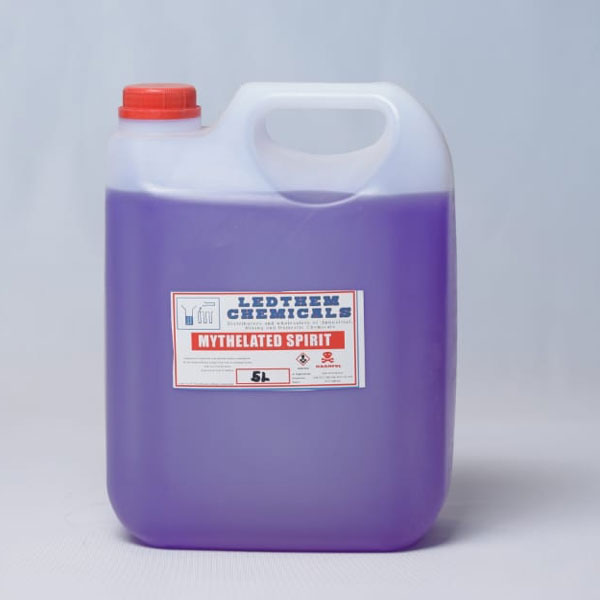 | 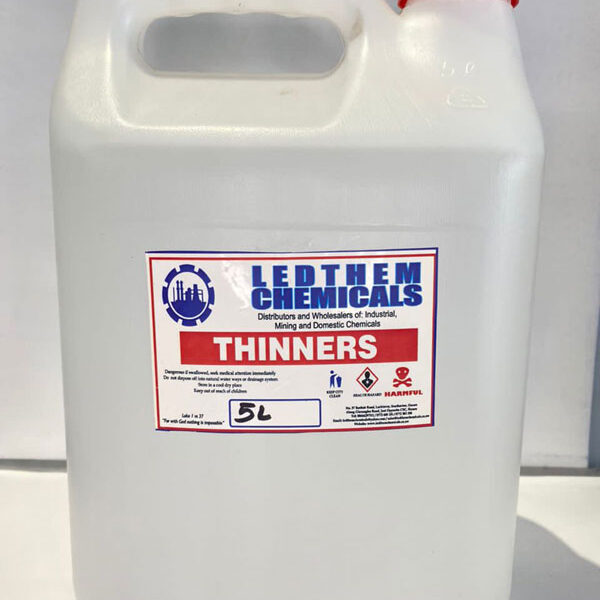 |  | 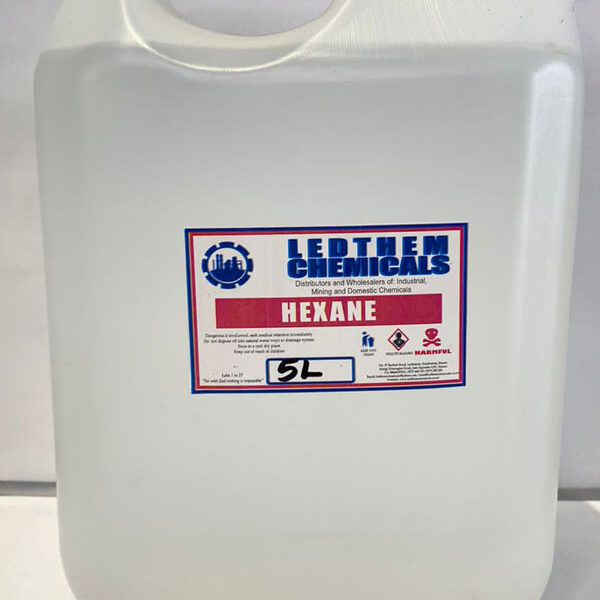 | 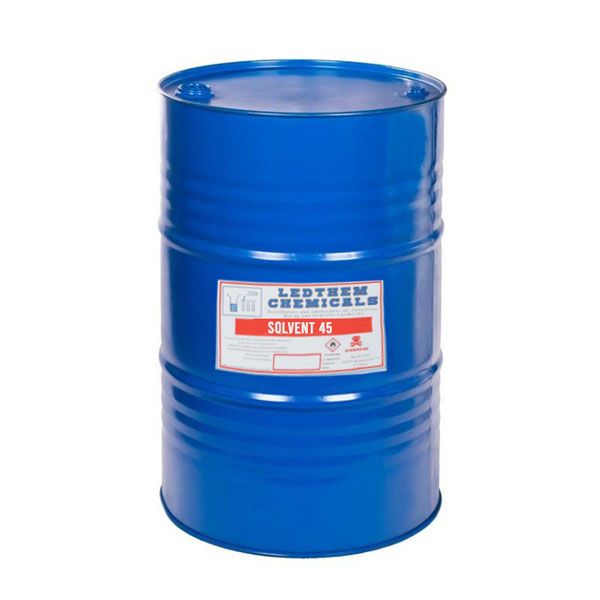 | ||||||||||||
| SKU | ||||||||||||||||||
| Rating | ||||||||||||||||||
| Price | ||||||||||||||||||
| Stock | In Stock
| In Stock
| In Stock
| In Stock
| In Stock
| In Stock
| ||||||||||||
| Availability | In Stock | In Stock | In Stock | In Stock | In Stock | In Stock | ||||||||||||
| Add to cart | ||||||||||||||||||
| Description | Red oxide is a type of iron oxide that is commonly used as a pigment in paints and coatings. It is also used as a rust inhibitor and as a filler material. | What is the use of Surgical Spirit? The spirit is applied to the surface of the skin for use as cleansing agent and it also has antiseptic properties | Colorless liquid used for thinning paints for steel automotive industry also known as laquor thinners | A blend of aliphatic hydrocarbons, organic solvents and surfactants, formulated to remove graffiti from sealed surfaces, remove permanent inks and paints | Industrial 95 is a high-quality, 95% pure white spirit solvent that is ideal for industrial applications, pharmaceuticals, cosmetics, and other products etc. | |||||||||||||
| Content | Red oxide is a type of iron oxide that is commonly used as a pigment in paints and coatings. It is also used as a rust inhibitor and as a filler material. Red oxide is a reddish-brown powder that is insoluble in water. It is non-toxic and non-flammable. Red oxide is used in paints and coatings because it is a good rust inhibitor. It forms a protective layer on the surface of the metal, which prevents the formation of rust. Red oxide is also used as a filler material because it is inexpensive and easy to apply. It can be used to fill in small cracks and holes in the surface of the metal. Here are some of the specific uses of red oxide:
Red oxide is a versatile material that can be used in a variety of applications. It is important to note that red oxide is a hazardous material and should be handled with care. Here are some safety precautions to take when using red oxide:
| What is in Surgical Spirit? It contains diethyl phthalate BP, castor oil and industrial methylated spirit BP. The spirit is applied to the surface of the skin for use as cleansing agent and it also has antiseptic properties | A blend of aliphatic hydrocarbons, organic solvents and surfactants, formulated to remove graffiti from sealed surfaces, remove most permanent inks and paints from sealed or painted surfaces. It is also safe to use on desk tops, painted or powder coated metal, aluminum and some plastic surfaces (including poly carbonate) | Hexane is a colorless, flammable liquid with a gasoline-like odor. It is a hydrocarbon, meaning that it is made up of only hydrogen and carbon atoms. Hexane is a common solvent, and it is used in a variety of industries, including:
Hexane is also a potential health hazard. It can be harmful if inhaled, swallowed, or absorbed through the skin. Acute exposure to hexane can cause dizziness, headache, nausea, and vomiting. Chronic exposure can lead to nerve damage, including numbness, tingling, and weakness in the hands and feet. The EPA has classified hexane as a hazardous air pollutant. This means that it is a substance that can cause harm to human health or the environment if released into the air. The EPA has also set limits on the amount of hexane that can be released into the air from industrial sources. If you are working with hexane, it is important to take precautions to protect yourself from exposure. These precautions include:
If you are exposed to hexane, it is important to seek medical attention immediately. Here are some additional information about hexane:
| Industrial 95 is a high-quality, 95% pure white spirit solvent that is ideal for a variety of industrial applications. It is a clear, colorless liquid with a mild odor and is less flammable and toxic than turpentine. Industrial 95 is used for thinning oil-based paints and varnishes, cleaning paint brushes and other tools, removing adhesives and stains, priming surfaces before painting, making inks and dyes, and solvent for cleaning and degreasing metal parts. It is also used in the manufacture of pharmaceuticals, cosmetics, and other products. Industrial 95 is a flammable and volatile liquid, so it should be handled with care. It should be stored in a cool, well-ventilated area, and away from heat and open flames. When using Industrial 95, it is important to wear gloves and eye protection to avoid skin contact and inhalation of fumes. Here are some of the benefits of using Industrial 95:
If you are looking for a high-quality, versatile solvent for your industrial needs, then Industrial 95 is the perfect choice for you. Here are some additional details that you may want to include in your product description:
| |||||||||||||
| Weight | ||||||||||||||||||
| Dimensions | N/A | N/A | N/A | N/A | N/A | N/A | ||||||||||||
| Additional information |
|
|
|
|
|
|


Reviews
There are no reviews yet.