


Red Oxide

Red oxide is a type of iron oxide that is commonly used as a pigment in paints and coatings. It is also used as a rust inhibitor and as a filler material.
Description
Red oxide is a type of iron oxide that is commonly used as a pigment in paints and coatings. It is also used as a rust inhibitor and as a filler material. Red oxide is a reddish-brown powder that is insoluble in water. It is non-toxic and non-flammable.
Red oxide is used in paints and coatings because it is a good rust inhibitor. It forms a protective layer on the surface of the metal, which prevents the formation of rust. Red oxide is also used as a filler material because it is inexpensive and easy to apply. It can be used to fill in small cracks and holes in the surface of the metal.
Here are some of the specific uses of red oxide:
- Rust inhibitor: Red oxide is used as a rust inhibitor on metal surfaces. It forms a protective layer on the surface of the metal, which prevents the formation of rust.
- Filler material: Red oxide is used as a filler material in paints and coatings. It can be used to fill in small cracks and holes in the surface of the metal.
- Pigment: Red oxide is used as a pigment in paints and coatings. It gives the paint a reddish-brown color.
- Rubber compound: Red oxide is used as a rubber compound. It is used to make rubber products, such as tires and gaskets.
- Ceramics: Red oxide is used in ceramics. It is used to make ceramic products, such as pottery and tiles.
Red oxide is a versatile material that can be used in a variety of applications. It is important to note that red oxide is a hazardous material and should be handled with care.
Here are some safety precautions to take when using red oxide:
- Always wear gloves, goggles, and a respirator when handling red oxide.
- Avoid contact with skin and eyes.
- Keep away from heat and open flames.
- Dispose of red oxide properly.
Additional information
| Chemical Category | CLINICAL, Clinical Acids, DOMESTIC, Domestic Acids, INDUSTRIAL, Industrial Acids, MINING, Mining Acids |
|---|
Quick Comparison
| Settings | Red Oxide remove | Solvent 45 remove | Sensolve Be remove | Toilet Cleaner remove | 2K THINNERS remove | Methylated Spirit remove | ||||||||||||
|---|---|---|---|---|---|---|---|---|---|---|---|---|---|---|---|---|---|---|
| Image | |  | 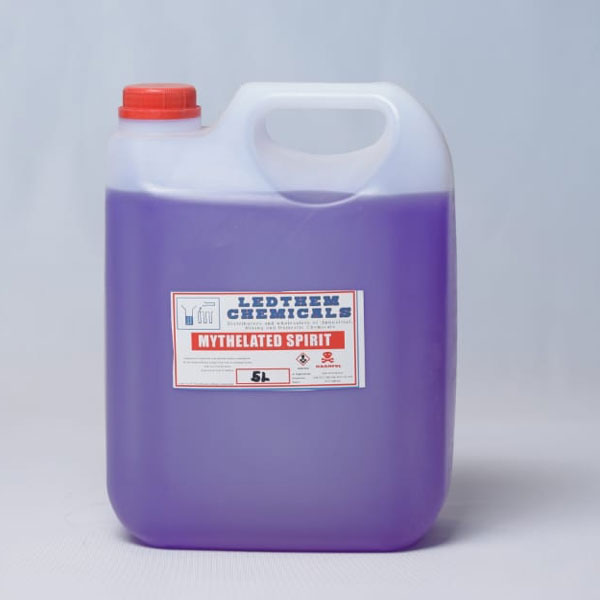 | 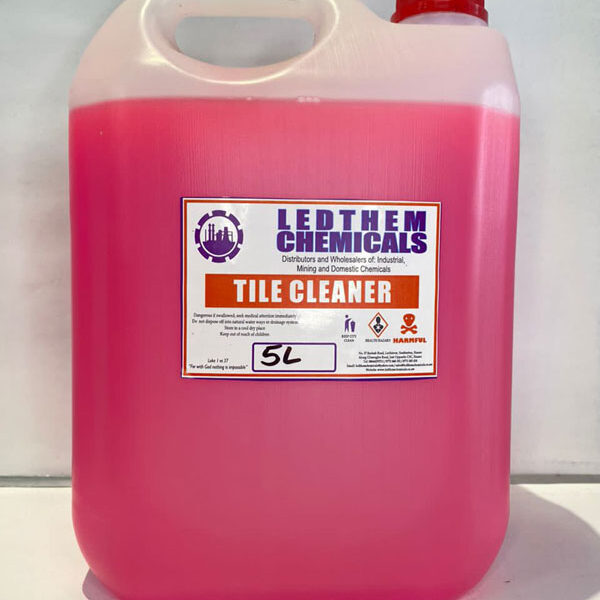 | | 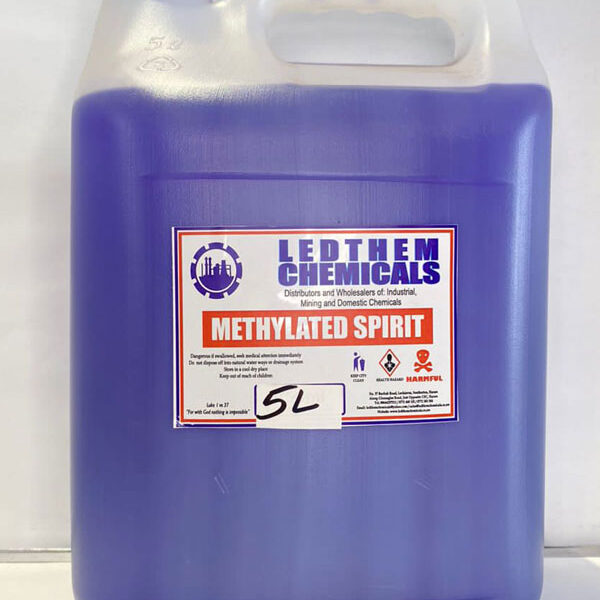 | ||||||||||||
| SKU | ||||||||||||||||||
| Rating | ||||||||||||||||||
| Price | ||||||||||||||||||
| Stock | In Stock
| In Stock
| In Stock
| In Stock
| In Stock
| In Stock
| ||||||||||||
| Availability | In Stock | In Stock | In Stock | In Stock | In Stock | In Stock | ||||||||||||
| Add to cart | ||||||||||||||||||
| Description | Red oxide is a type of iron oxide that is commonly used as a pigment in paints and coatings. It is also used as a rust inhibitor and as a filler material. | A blend of aliphatic hydrocarbons, organic solvents and surfactants, formulated to remove graffiti from sealed surfaces, remove permanent inks and paints | Toilet cleaner a powerful stain remove of dirt, rust and smile from tiles, urinals grout and toilet bowls kills bacteria and leaves a clean fresh odor | For special automotive paints especially 2k paints. | What is Methylated Spirit? It is a suitable alternative to isopropyl Alcohol where solubility is not critical or can be assisted by other formula components | |||||||||||||
| Content | Red oxide is a type of iron oxide that is commonly used as a pigment in paints and coatings. It is also used as a rust inhibitor and as a filler material. Red oxide is a reddish-brown powder that is insoluble in water. It is non-toxic and non-flammable. Red oxide is used in paints and coatings because it is a good rust inhibitor. It forms a protective layer on the surface of the metal, which prevents the formation of rust. Red oxide is also used as a filler material because it is inexpensive and easy to apply. It can be used to fill in small cracks and holes in the surface of the metal. Here are some of the specific uses of red oxide:
Red oxide is a versatile material that can be used in a variety of applications. It is important to note that red oxide is a hazardous material and should be handled with care. Here are some safety precautions to take when using red oxide:
| A blend of aliphatic hydrocarbons, organic solvents and surfactants, formulated to remove graffiti from sealed surfaces, remove most permanent inks and paints from sealed or painted surfaces. It is also safe to use on desk tops, painted or powder coated metal, aluminum and some plastic surfaces (including poly carbonate) | Sensolve Be is a high spreading, light emollient for natural formulations with a light & non-sticky skin feel. It is made by Evonik Personal Care and is a 100% vegetable-based raw material. Sensolve Be is used in a variety of personal care products, including skin care, hair care, and cosmetics. It is also used in some industrial applications. Here are some of the benefits of using Sensolve Be:
If you are looking for a natural, non-greasy emollient for your personal care products, Sensolve Be is a good option to consider. Here are some additional details about Sensolve Be:
Sensolve Be is a safe and effective emollient that can be used in a variety of personal care products. If you have any questions or concerns about using Sensolve Be, please consult a dermatologist or other healthcare professional. | Toilet cleaner a powerful stain remover. It removes dirt, rust and slime from tiles, urinals grout and toilet bowls. This product kills bacteria and leaves a clean and fresh odor after application | For special automotive paints especially 2k paints. | What is Methylated Spirit? It is a suitable alternative to isopropyl Alcohol where solubility is not critical or can be assisted by other formula components | ||||||||||||
| Weight | ||||||||||||||||||
| Dimensions | N/A | N/A | N/A | N/A | N/A | N/A | ||||||||||||
| Additional information |
|
|
|
|
|
|

Reviews
There are no reviews yet.