


Paints

Paint is a liquid or semi-solid coating that is applied to a solid surface. It is made up of a pigment, a binder, and a solvent. Available at ledthem chemicals
Description
Paint is a liquid or semi-solid coating that is applied to a solid surface. It is made up of a pigment, a binder, and a solvent. The pigment gives the paint its color, the binder holds the pigment together, and the solvent makes the paint flow easily.
Paints can be used for a variety of purposes, including:
- Decorative: Paint is used to add color and beauty to objects and surfaces.
- Protective: Paint can be used to protect objects and surfaces from the elements, such as water, sunlight, and chemicals.
- Signage: Paint can be used to create signs and other graphics.
- Industrial: Paint is used in a variety of industrial applications, such as protecting machinery and equipment.
- Safety: Paint can be used to create warning signs and other safety markings.
There are many different types of paints, each with its own unique properties. Some of the most common types of paints include:
- Oil-based paint: Oil-based paint is a traditional type of paint that is made from oil, pigment, and solvent. It is durable and long-lasting, but it can be difficult to apply and clean up.
- Water-based paint: Water-based paint is a newer type of paint that is made from water, pigment, and binder. It is easier to apply and clean up than oil-based paint, but it is not as durable.
- Epoxy paint: Epoxy paint is a high-performance paint that is made from epoxy resin, pigment, and hardener. It is very durable and resistant to chemicals, but it is also expensive and difficult to apply.
- Latex paint: Latex paint is a type of water-based paint that is made from latex resin, pigment, and water. It is easy to apply and clean up, and it is relatively inexpensive.
Additional information
| Chemical Category | CLINICAL, Clinical Acids, DOMESTIC, Domestic Acids, INDUSTRIAL, Industrial Acids, Industrial Acids, MINING, Mining Acids |
|---|
Quick Comparison
| Settings | Paints remove | IPA remove | Alcosol remove | Butyl Oxitol remove | Ethanol remove | Ethyl Acetate remove | ||||||||||||
|---|---|---|---|---|---|---|---|---|---|---|---|---|---|---|---|---|---|---|
| Image | | 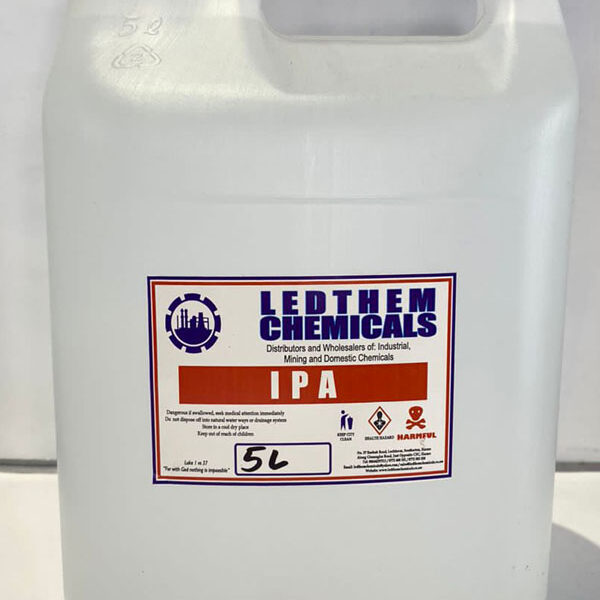 | 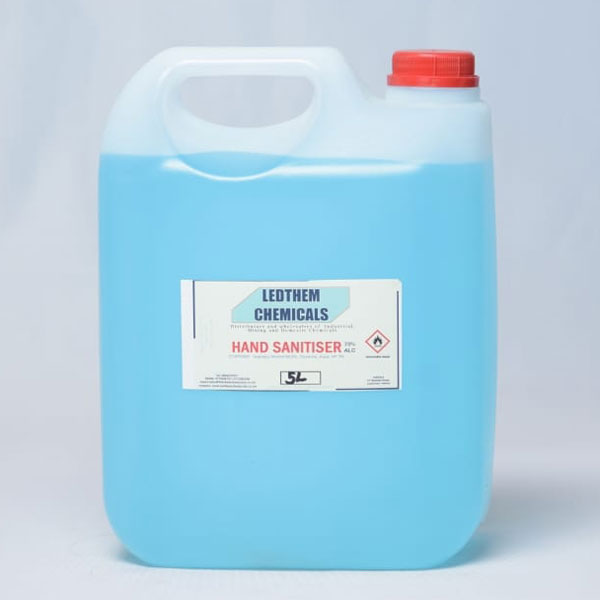 | 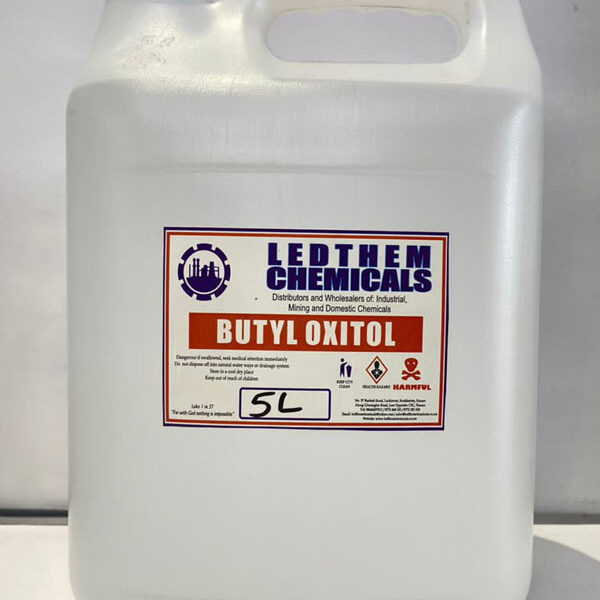 | 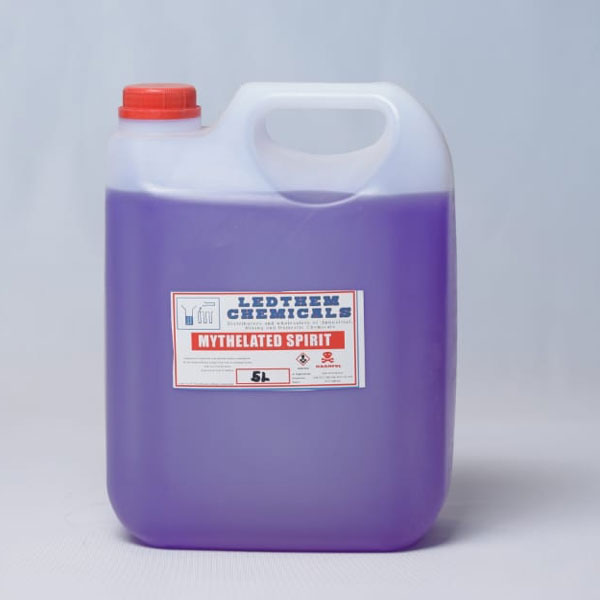 |  | ||||||||||||
| SKU | ||||||||||||||||||
| Rating | ||||||||||||||||||
| Price | ||||||||||||||||||
| Stock | In Stock
| In Stock
| In Stock
| In Stock
| In Stock
| In Stock
| ||||||||||||
| Availability | In Stock | In Stock | In Stock | In Stock | In Stock | In Stock | ||||||||||||
| Add to cart | ||||||||||||||||||
| Description | Paint is a liquid or semi-solid coating that is applied to a solid surface. It is made up of a pigment, a binder, and a solvent. Available at ledthem chemicals | Alcosol is a colloidal solution of a solid in alcohol. It is used in making personal care products, Pharmaceutical, Degreasers, Solvents. available in Harare | Butyl Oxitol is a colorless liquid has a sweet, ether like odor as it derives from the family of glycol ethers, it is used in domestic and industrial products. | Ethanol is used in a variety of industrial and commercial applications, including degreaser, fuel, antifreeze, Pharmaceutical, cleaning and solvent | Is a high purity solvent, it is used in cleaning electric circuit boards and as nails polish remover. At a lower purity it can be used as in printing, pharmaceuticals, perfumes, food, decaffeination of tea or coffee and a carrier solvent for herbicides | |||||||||||||
| Content | Paint is a liquid or semi-solid coating that is applied to a solid surface. It is made up of a pigment, a binder, and a solvent. The pigment gives the paint its color, the binder holds the pigment together, and the solvent makes the paint flow easily. Paints can be used for a variety of purposes, including:
There are many different types of paints, each with its own unique properties. Some of the most common types of paints include:
| Widely used as solvent for coatings, pharma applications, other industrial processes and in electronic industry and printing . Also finds medical/personal hygiene applications as rubbing alcohol, hand sanitizer, and disinfecting pads typically contain a 60-70 solution of isopropyl alcohol in water, is also used as a water drying aid | Alcosol is a colloidal solution of a solid in alcohol. The alcohol is the dispersion medium and the solid is the dispersed phase. Alcosols are typically clear and colorless liquids. They are used in a variety of applications, including:
Alcosols are generally safe to use when handled properly. However, it is important to read and follow all safety precautions when using Alcosols. Here are some of the safety precautions to take when using Alcosols:
If you accidentally spill Alcosols, clean it up immediately with a damp cloth. Do not flush it down the drain. Alcosols are a versatile type of colloidal solution that can be used for a variety of applications. It is important to use them safely and responsibly. | Butyl Oxitol is a colorless liquid has a sweet, ether like odor as it derives from the family of glycol ethers, it is used in many domestic and industrial products because of its properties as a surfactant. | Ethanol, also known as ethyl alcohol, grain alcohol, or drinking alcohol, is a clear, colorless, flammable liquid with a mild odor. It is a type of alcohol that is made from the fermentation of sugars or starches. Ethanol is used in a variety of industrial and commercial applications, including:
Ethanol is a renewable resource and produces fewer emissions than gasoline. It is a versatile solvent with many uses. It is important to use it safely and responsibly. Here are some of the benefits of using Ethanol:
If you are looking for a renewable, low-emission fuel or solvent, then Ethanol is a good option. Here are some additional details that you may want to include in your product description:
| Is a high purity solvent, it is used in cleaning electric circuit boards and as nails polish remover. At a lower purity it can be used as in printing, pharmaceuticals, perfumes, food, decaffeination of tea or coffee and a carrier solvent for herbicides | ||||||||||||
| Weight | ||||||||||||||||||
| Dimensions | N/A | N/A | N/A | N/A | N/A | N/A | ||||||||||||
| Additional information |
|
|
|
|
|
|

Reviews
There are no reviews yet.