


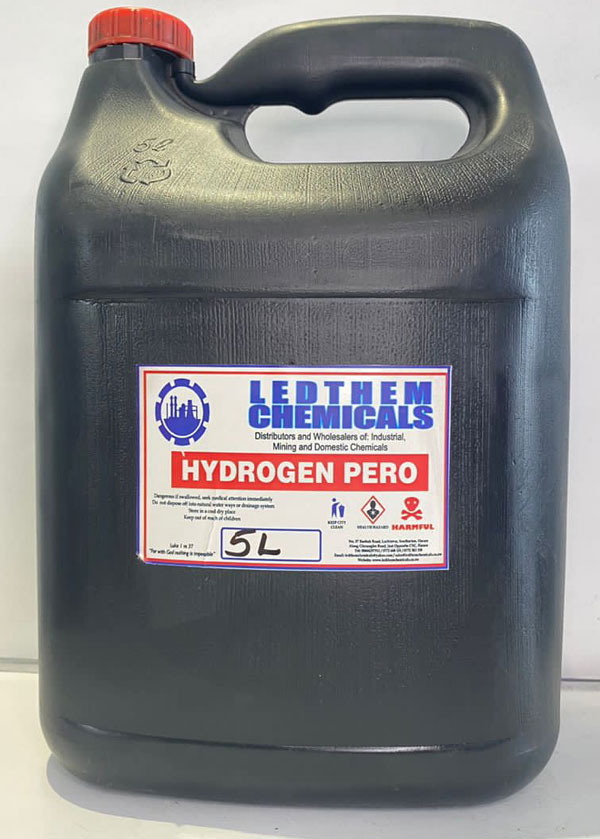
Hydrogen Peroxide

Hydrogen peroxide is used to disinfect surfaces and to treat minor cuts and scrapes. It can also be used to whiten teeth and to remove stains from fabrics.
Description
Hydrogen peroxide is a clear, colorless liquid that has a slight odor. It is a mild antiseptic that can be used to disinfect surfaces and to treat minor cuts and scrapes. Hydrogen peroxide can also be used to whiten teeth and to remove stains from fabrics.
Here are some of the key features of hydrogen peroxide:
- Disinfectant: Hydrogen peroxide can kill bacteria and other microorganisms, making it a good choice for disinfecting surfaces.
- Antiseptic: Hydrogen peroxide can be used to clean and disinfect minor cuts and scrapes.
- Bleaching agent: Hydrogen peroxide can be used to whiten teeth and to remove stains from fabrics.
- Oxygenated water: Hydrogen peroxide is a form of oxygenated water, which means that it contains more oxygen than regular water. This can make it helpful for treating wounds and for removing odors.
Here are some of the things to keep in mind when using hydrogen peroxide:
- It can be irritating to the skin and eyes, so it is important to wear gloves and eye protection when using it.
- It can also be corrosive to metals, so it is important to avoid using it on metal surfaces.
- It can be unstable and can decompose into oxygen and water, so it is important to store it in a cool, dark place.
Additional information
| Chemical Category | CLINICAL, Clinical Detergents, DOMESTIC, Domestic Detergents, INDUSTRIAL, Industrial Detergents, MINING, Mining Detergents |
|---|
Quick Comparison
| Settings | Hydrogen Peroxide remove | TOLUENE remove | Ethanol remove | White Spirit remove | Hexane remove | Solvent 45 remove | ||||||||||||
|---|---|---|---|---|---|---|---|---|---|---|---|---|---|---|---|---|---|---|
| Image |  |  |  |  | 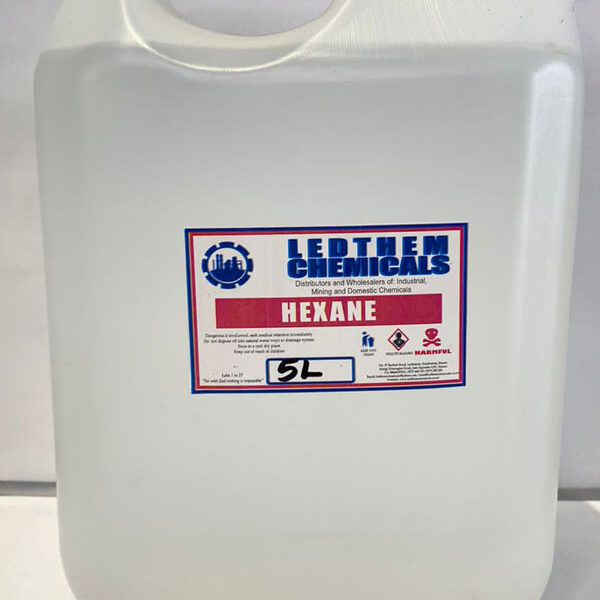 |  | ||||||||||||
| SKU | ||||||||||||||||||
| Rating | ||||||||||||||||||
| Price | ||||||||||||||||||
| Stock | In Stock
| In Stock
| In Stock
| In Stock
| In Stock
| In Stock
| ||||||||||||
| Availability | In Stock | In Stock | In Stock | In Stock | In Stock | In Stock | ||||||||||||
| Add to cart | ||||||||||||||||||
| Description | Hydrogen peroxide is used to disinfect surfaces and to treat minor cuts and scrapes. It can also be used to whiten teeth and to remove stains from fabrics. | Is a clear, colorless liquid with a distinctive sweet smell used in industrial settings as a solvent. Toluene is also an ingredient in some consumer products such as paints, glues and nail polish removers. | Ethanol is used in a variety of industrial and commercial applications, including degreaser, fuel, antifreeze, Pharmaceutical, cleaning and solvent | White spirit is used for Making inks and dyes, Solvent for cleaning, degreasing metal parts, manufacture of pharmaceuticals, cosmetics, and other products | A blend of aliphatic hydrocarbons, organic solvents and surfactants, formulated to remove graffiti from sealed surfaces, remove permanent inks and paints | |||||||||||||
| Content | Hydrogen peroxide is a clear, colorless liquid that has a slight odor. It is a mild antiseptic that can be used to disinfect surfaces and to treat minor cuts and scrapes. Hydrogen peroxide can also be used to whiten teeth and to remove stains from fabrics. Here are some of the key features of hydrogen peroxide:
Here are some of the things to keep in mind when using hydrogen peroxide:
| Is a clear, colorless liquid with a distinctive sweet smell used in industrial settings as a solvent. Toluene is also an ingredient in some consumer products such as paints, glues and nail polish removers. | Ethanol, also known as ethyl alcohol, grain alcohol, or drinking alcohol, is a clear, colorless, flammable liquid with a mild odor. It is a type of alcohol that is made from the fermentation of sugars or starches. Ethanol is used in a variety of industrial and commercial applications, including:
Ethanol is a renewable resource and produces fewer emissions than gasoline. It is a versatile solvent with many uses. It is important to use it safely and responsibly. Here are some of the benefits of using Ethanol:
If you are looking for a renewable, low-emission fuel or solvent, then Ethanol is a good option. Here are some additional details that you may want to include in your product description:
| White spirit, also known as mineral spirits, is a petroleum-derived clear liquid used as a common organic solvent in painting. It is a mixture of aliphatic and aromatic hydrocarbons, with a boiling point range of 130-230 degrees Celsius. White spirit is odorless or has a mild odor, and is less flammable and toxic than turpentine. White spirit is used for a variety of purposes, including:
White spirit is a flammable and volatile liquid, so it should be handled with care. It should be stored in a cool, well-ventilated area, and away from heat and open flames. When using white spirit, it is important to wear gloves and eye protection to avoid skin contact and inhalation of fumes. Here are some safety precautions to take when using white spirit:
If you accidentally spill white spirit, clean it up immediately with a damp cloth. Do not flush it down the drain. White spirit is a versatile solvent with many uses. It is important to use it safely and responsibly. | Hexane is a colorless, flammable liquid with a gasoline-like odor. It is a hydrocarbon, meaning that it is made up of only hydrogen and carbon atoms. Hexane is a common solvent, and it is used in a variety of industries, including:
Hexane is also a potential health hazard. It can be harmful if inhaled, swallowed, or absorbed through the skin. Acute exposure to hexane can cause dizziness, headache, nausea, and vomiting. Chronic exposure can lead to nerve damage, including numbness, tingling, and weakness in the hands and feet. The EPA has classified hexane as a hazardous air pollutant. This means that it is a substance that can cause harm to human health or the environment if released into the air. The EPA has also set limits on the amount of hexane that can be released into the air from industrial sources. If you are working with hexane, it is important to take precautions to protect yourself from exposure. These precautions include:
If you are exposed to hexane, it is important to seek medical attention immediately. Here are some additional information about hexane:
| A blend of aliphatic hydrocarbons, organic solvents and surfactants, formulated to remove graffiti from sealed surfaces, remove most permanent inks and paints from sealed or painted surfaces. It is also safe to use on desk tops, painted or powder coated metal, aluminum and some plastic surfaces (including poly carbonate) | ||||||||||||
| Weight | ||||||||||||||||||
| Dimensions | N/A | N/A | N/A | N/A | N/A | N/A | ||||||||||||
| Additional information |
|
|
|
|
|
|


Reviews
There are no reviews yet.