

Creosote

Creosote is used as a wood preservative to protect wood from rot, decay, and insect damage. It is also used as a fuel, a deodorizer, and an antiseptic. Harare
Description
Creosote is a dark brown or black liquid that is obtained by distilling wood tar or coal tar. It is a mixture of hundreds of chemicals, including polycyclic aromatic hydrocarbons (PAHs), phenols, and cresols. These chemicals are known to be toxic and carcinogenic.
Creosote is used as a wood preservative to protect wood from rot, decay, and insect damage. It is also used as a fuel, a deodorizer, and an antiseptic.
Product description:
- Thick, dark brown or black liquid
- Obtained by distilling wood tar or coal tar
- Mixture of hundreds of chemicals, including PAHs, phenols, and cresols
- Used as a wood preservative, fuel, deodorizer, and antiseptic
- Hazardous material and should be handled with care
Additional information
| Chemical Category | CLINICAL, Clinical Acids, DOMESTIC, Domestic Acids, INDUSTRIAL, Industrial Acids, MINING, Mining Acids |
|---|
Quick Comparison
| Settings | Creosote remove | Nitric Acid remove | Butyl Oxitol remove | Xylene remove | Hexane remove | IPA remove | ||||||||||||
|---|---|---|---|---|---|---|---|---|---|---|---|---|---|---|---|---|---|---|
| Image | |  | 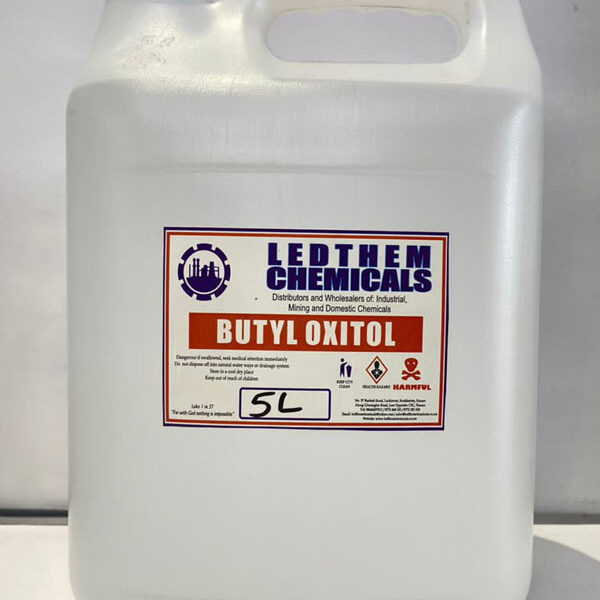 |  | 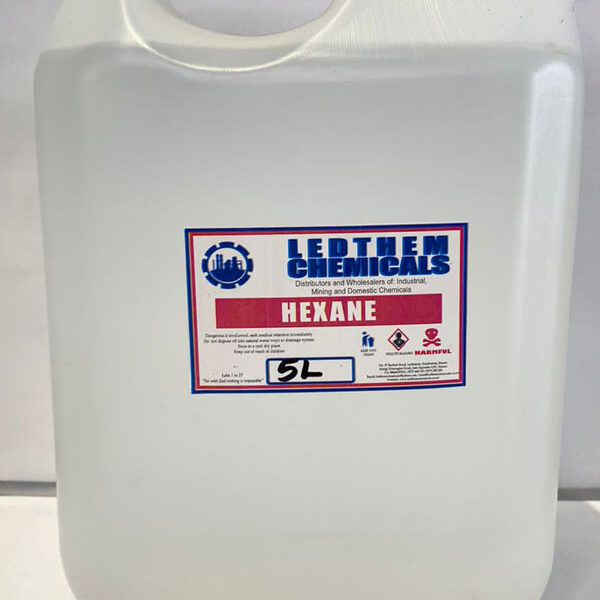 | 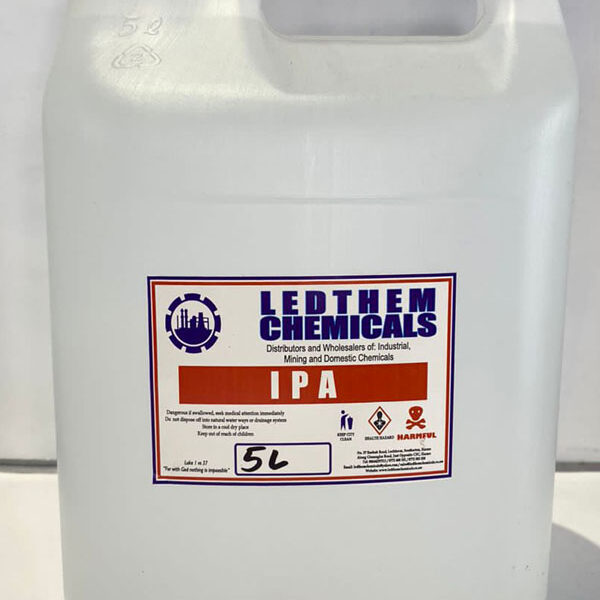 | ||||||||||||
| SKU | ||||||||||||||||||
| Rating | ||||||||||||||||||
| Price | ||||||||||||||||||
| Stock | In Stock
| In Stock
| In Stock
| In Stock
| In Stock
| In Stock
| ||||||||||||
| Availability | In Stock | In Stock | In Stock | In Stock | In Stock | In Stock | ||||||||||||
| Add to cart | ||||||||||||||||||
| Description | Creosote is used as a wood preservative to protect wood from rot, decay, and insect damage. It is also used as a fuel, a deodorizer, and an antiseptic. Harare | Nitric acid is used for the production of ammonium nitrate, a component of fertilizers, making explosives nitroglycerin, trinitrotoluene, oxidizing metals. | Butyl Oxitol is a colorless liquid has a sweet, ether like odor as it derives from the family of glycol ethers, it is used in domestic and industrial products. | Xylene, Appears as a colorless watery liquid with a sweet odor. Less dense than water. Insoluble in water. Irritating vapor | ||||||||||||||
| Content | Creosote is a dark brown or black liquid that is obtained by distilling wood tar or coal tar. It is a mixture of hundreds of chemicals, including polycyclic aromatic hydrocarbons (PAHs), phenols, and cresols. These chemicals are known to be toxic and carcinogenic. Creosote is used as a wood preservative to protect wood from rot, decay, and insect damage. It is also used as a fuel, a deodorizer, and an antiseptic. Product description:
| Nitric acid is used for the production of ammonium nitrate, a major component of fertilizers. It is also used for producing explosives like nitroglycerin and trinitrotoluene (TNT) and for oxidizing metals. | Butyl Oxitol is a colorless liquid has a sweet, ether like odor as it derives from the family of glycol ethers, it is used in many domestic and industrial products because of its properties as a surfactant. | Xylene, Appears as a colorless watery liquid with a sweet odor. Less dense than water. Insoluble in water. Irritating vapor | Hexane is a colorless, flammable liquid with a gasoline-like odor. It is a hydrocarbon, meaning that it is made up of only hydrogen and carbon atoms. Hexane is a common solvent, and it is used in a variety of industries, including:
Hexane is also a potential health hazard. It can be harmful if inhaled, swallowed, or absorbed through the skin. Acute exposure to hexane can cause dizziness, headache, nausea, and vomiting. Chronic exposure can lead to nerve damage, including numbness, tingling, and weakness in the hands and feet. The EPA has classified hexane as a hazardous air pollutant. This means that it is a substance that can cause harm to human health or the environment if released into the air. The EPA has also set limits on the amount of hexane that can be released into the air from industrial sources. If you are working with hexane, it is important to take precautions to protect yourself from exposure. These precautions include:
If you are exposed to hexane, it is important to seek medical attention immediately. Here are some additional information about hexane:
| Widely used as solvent for coatings, pharma applications, other industrial processes and in electronic industry and printing . Also finds medical/personal hygiene applications as rubbing alcohol, hand sanitizer, and disinfecting pads typically contain a 60-70 solution of isopropyl alcohol in water, is also used as a water drying aid | ||||||||||||
| Weight | ||||||||||||||||||
| Dimensions | N/A | N/A | N/A | N/A | N/A | N/A | ||||||||||||
| Additional information |
|
|
|
|
|
|
Reviews
There are no reviews yet.