


Bleach

Bleach is chlorine-based used to disinfect surfaces, remove stains, and whiten fabrics. It is also used to treat swimming pool water and to kill algae.
Description
Bleach is a chlorine-based disinfectant and bleaching agent. It is a clear, colorless liquid with a strong chlorine odor. Bleach is used to disinfect surfaces, remove stains, and whiten fabrics. It is also used to treat swimming pool water and to kill algae.
Here are some of the key features of bleach:
- Disinfectant: Bleach can kill a wide range of bacteria, viruses, and fungi.
- Bleaching agent: Bleach can remove stains and whiten fabrics.
- Versatile: Bleach can be used on a variety of surfaces, including hard surfaces, fabrics, and swimming pool water.
- Effective: Bleach is a very effective disinfectant and bleaching agent.
Bleach is a powerful chemical and should be used with caution. It can be harmful if it is ingested, inhaled, or comes into contact with the skin or eyes. It is important to read the label carefully before using bleach and to follow the safety precautions.
Here are some additional details about bleach:
- The active ingredient in bleach is sodium hypochlorite.
- Bleach is available in a variety of concentrations, typically ranging from 3% to 6% sodium hypochlorite.
- Bleach should be stored in a cool, dark place.
- Bleach should not be mixed with other chemicals, as this can create dangerous fumes.
Additional information
| Chemical Category | CLINICAL, Clinical Detergents, DOMESTIC, Domestic Detergents, INDUSTRIAL, Industrial Detergents, MINING, Mining Detergents |
|---|
Quick Comparison
| Settings | Bleach remove | Surgical Spirit remove | Sensolve Be remove | Xylene remove | Toilet Cleaner remove | TOLUENE remove | ||||||||||||
|---|---|---|---|---|---|---|---|---|---|---|---|---|---|---|---|---|---|---|
| Image | |  | | |  |  | ||||||||||||
| SKU | ||||||||||||||||||
| Rating | ||||||||||||||||||
| Price | ||||||||||||||||||
| Stock | In Stock
| In Stock
| In Stock
| In Stock
| In Stock
| In Stock
| ||||||||||||
| Availability | In Stock | In Stock | In Stock | In Stock | In Stock | In Stock | ||||||||||||
| Add to cart | ||||||||||||||||||
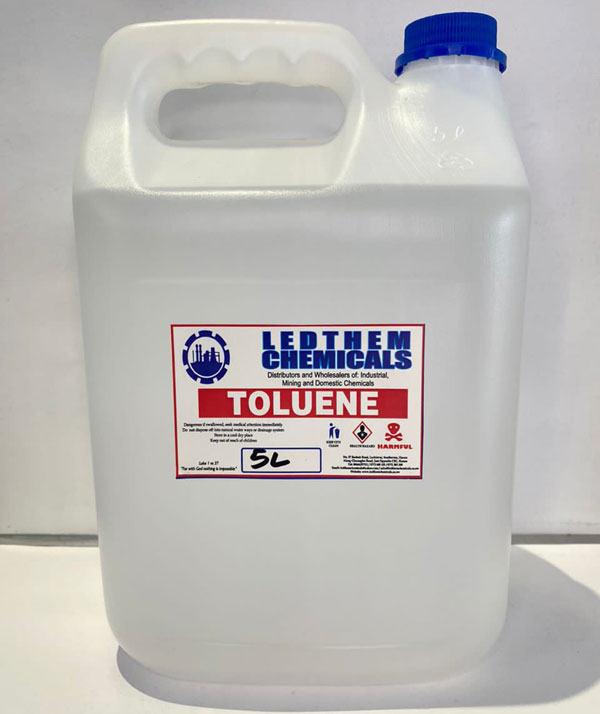
| Description | Bleach is chlorine-based used to disinfect surfaces, remove stains, and whiten fabrics. It is also used to treat swimming pool water and to kill algae. | What is the use of Surgical Spirit? The spirit is applied to the surface of the skin for use as cleansing agent and it also has antiseptic properties | Xylene, Appears as a colorless watery liquid with a sweet odor. Less dense than water. Insoluble in water. Irritating vapor | Toilet cleaner a powerful stain remove of dirt, rust and smile from tiles, urinals grout and toilet bowls kills bacteria and leaves a clean fresh odor | Is a clear, colorless liquid with a distinctive sweet smell used in industrial settings as a solvent. Toluene is also an ingredient in some consumer products such as paints, glues and nail polish removers. | |||||||||||||
| Content | Bleach is a chlorine-based disinfectant and bleaching agent. It is a clear, colorless liquid with a strong chlorine odor. Bleach is used to disinfect surfaces, remove stains, and whiten fabrics. It is also used to treat swimming pool water and to kill algae. Here are some of the key features of bleach:
Bleach is a powerful chemical and should be used with caution. It can be harmful if it is ingested, inhaled, or comes into contact with the skin or eyes. It is important to read the label carefully before using bleach and to follow the safety precautions. Here are some additional details about bleach:
| What is in Surgical Spirit? It contains diethyl phthalate BP, castor oil and industrial methylated spirit BP. The spirit is applied to the surface of the skin for use as cleansing agent and it also has antiseptic properties | Sensolve Be is a high spreading, light emollient for natural formulations with a light & non-sticky skin feel. It is made by Evonik Personal Care and is a 100% vegetable-based raw material. Sensolve Be is used in a variety of personal care products, including skin care, hair care, and cosmetics. It is also used in some industrial applications. Here are some of the benefits of using Sensolve Be:
If you are looking for a natural, non-greasy emollient for your personal care products, Sensolve Be is a good option to consider. Here are some additional details about Sensolve Be:
Sensolve Be is a safe and effective emollient that can be used in a variety of personal care products. If you have any questions or concerns about using Sensolve Be, please consult a dermatologist or other healthcare professional. | Xylene, Appears as a colorless watery liquid with a sweet odor. Less dense than water. Insoluble in water. Irritating vapor | Toilet cleaner a powerful stain remover. It removes dirt, rust and slime from tiles, urinals grout and toilet bowls. This product kills bacteria and leaves a clean and fresh odor after application | Is a clear, colorless liquid with a distinctive sweet smell used in industrial settings as a solvent. Toluene is also an ingredient in some consumer products such as paints, glues and nail polish removers. | ||||||||||||
| Weight | ||||||||||||||||||
| Dimensions | N/A | N/A | N/A | N/A | N/A | N/A | ||||||||||||
| Additional information |
|
|
|
|
|
|


Reviews
There are no reviews yet.