


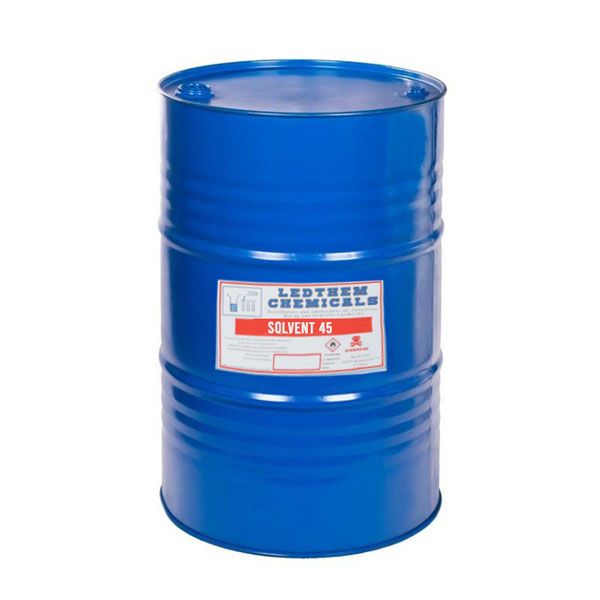
White Spirit

White spirit is used for Making inks and dyes, Solvent for cleaning, degreasing metal parts, manufacture of pharmaceuticals, cosmetics, and other products
Description
White spirit, also known as mineral spirits, is a petroleum-derived clear liquid used as a common organic solvent in painting. It is a mixture of aliphatic and aromatic hydrocarbons, with a boiling point range of 130-230 degrees Celsius. White spirit is odorless or has a mild odor, and is less flammable and toxic than turpentine.
White spirit is used for a variety of purposes, including:
- Thinning oil-based paints and varnishes
- Cleaning paint brushes and other tools
- Removing adhesives and stains
- Priming surfaces before painting
- Making inks and dyes
- Solvent for cleaning and degreasing metal parts
- In the manufacture of pharmaceuticals, cosmetics, and other products
White spirit is a flammable and volatile liquid, so it should be handled with care. It should be stored in a cool, well-ventilated area, and away from heat and open flames. When using white spirit, it is important to wear gloves and eye protection to avoid skin contact and inhalation of fumes.
Here are some safety precautions to take when using white spirit:
- Always read and follow the manufacturer’s instructions.
- Keep white spirit away from heat and open flames.
- Store white spirit in a cool, well-ventilated area.
- Wear gloves and eye protection when using white spirit.
- Avoid skin contact and inhalation of fumes.
- Dispose of white spirit properly.
If you accidentally spill white spirit, clean it up immediately with a damp cloth. Do not flush it down the drain.
White spirit is a versatile solvent with many uses. It is important to use it safely and responsibly.
Additional information
| Chemical Category | CLINICAL, Clinical Solvents, DOMESTIC, Domestic Solvents, INDUSTRIAL, Industrial Solvents, MINING, Mining Solvents |
|---|
Quick Comparison
| Settings | White Spirit remove | Nitric Acid remove | THINNERS remove | IPA remove | Ethanol remove | Mineral Turpentine remove | ||||||||||||
|---|---|---|---|---|---|---|---|---|---|---|---|---|---|---|---|---|---|---|
| Image | |  | 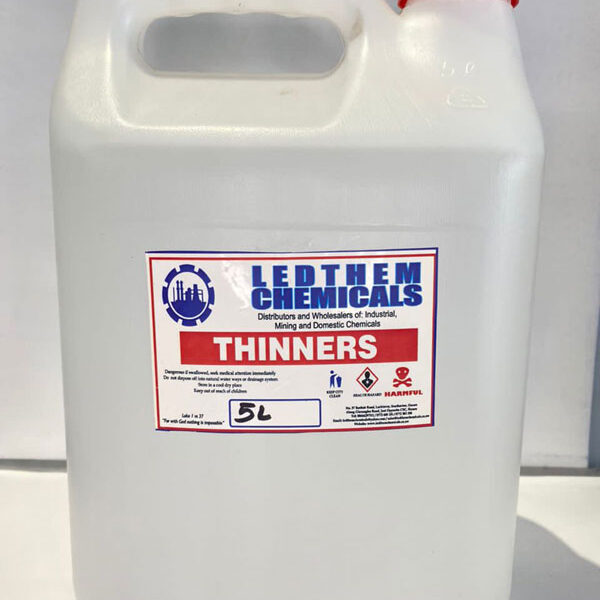 | 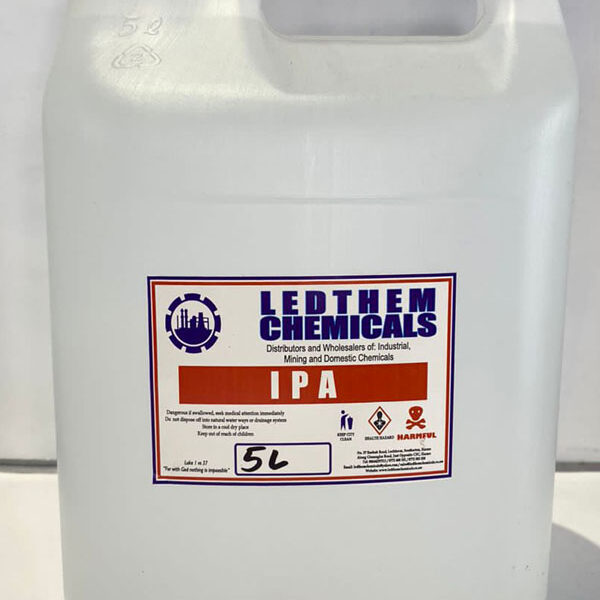 |  |  | ||||||||||||
| SKU | ||||||||||||||||||
| Rating | ||||||||||||||||||
| Price | ||||||||||||||||||
| Stock | In Stock
| In Stock
| In Stock
| In Stock
| In Stock
| In Stock
| ||||||||||||
| Availability | In Stock | In Stock | In Stock | In Stock | In Stock | In Stock | ||||||||||||
| Add to cart | ||||||||||||||||||
| Description | White spirit is used for Making inks and dyes, Solvent for cleaning, degreasing metal parts, manufacture of pharmaceuticals, cosmetics, and other products | Nitric acid is used for the production of ammonium nitrate, a component of fertilizers, making explosives nitroglycerin, trinitrotoluene, oxidizing metals. | Colorless liquid used for thinning paints for steel automotive industry also known as laquor thinners | Ethanol is used in a variety of industrial and commercial applications, including degreaser, fuel, antifreeze, Pharmaceutical, cleaning and solvent | Medium evaporating solvent widely used in oil based paints and for cleaning brushes | |||||||||||||
| Content | White spirit, also known as mineral spirits, is a petroleum-derived clear liquid used as a common organic solvent in painting. It is a mixture of aliphatic and aromatic hydrocarbons, with a boiling point range of 130-230 degrees Celsius. White spirit is odorless or has a mild odor, and is less flammable and toxic than turpentine. White spirit is used for a variety of purposes, including:
White spirit is a flammable and volatile liquid, so it should be handled with care. It should be stored in a cool, well-ventilated area, and away from heat and open flames. When using white spirit, it is important to wear gloves and eye protection to avoid skin contact and inhalation of fumes. Here are some safety precautions to take when using white spirit:
If you accidentally spill white spirit, clean it up immediately with a damp cloth. Do not flush it down the drain. White spirit is a versatile solvent with many uses. It is important to use it safely and responsibly. | Nitric acid is used for the production of ammonium nitrate, a major component of fertilizers. It is also used for producing explosives like nitroglycerin and trinitrotoluene (TNT) and for oxidizing metals. | Widely used as solvent for coatings, pharma applications, other industrial processes and in electronic industry and printing . Also finds medical/personal hygiene applications as rubbing alcohol, hand sanitizer, and disinfecting pads typically contain a 60-70 solution of isopropyl alcohol in water, is also used as a water drying aid | Ethanol, also known as ethyl alcohol, grain alcohol, or drinking alcohol, is a clear, colorless, flammable liquid with a mild odor. It is a type of alcohol that is made from the fermentation of sugars or starches. Ethanol is used in a variety of industrial and commercial applications, including:
Ethanol is a renewable resource and produces fewer emissions than gasoline. It is a versatile solvent with many uses. It is important to use it safely and responsibly. Here are some of the benefits of using Ethanol:
If you are looking for a renewable, low-emission fuel or solvent, then Ethanol is a good option. Here are some additional details that you may want to include in your product description:
| Medium evaporating solvent widely used in oil based paints and for cleaning brushes | |||||||||||||
| Weight | ||||||||||||||||||
| Dimensions | N/A | N/A | N/A | N/A | N/A | N/A | ||||||||||||
| Additional information |
|
|
|
|
|
|

Reviews
There are no reviews yet.