

Bitumen Patty

Bitumen patty is a solid form of bitumen. The solvent evaporates, leaving behind a solid patty that is easy to handle and transport. For waterproofing, roofing
Description
Bitumen patty is a solid form of bitumen that is made by mixing bitumen with a small amount of solvent. The solvent evaporates, leaving behind a solid patty that is easy to handle and transport. Bitumen patties are used in a variety of applications, including:
- Road construction: Bitumen patties are used to make asphalt concrete, which is used to surface roads.
- Roofing: Bitumen patties are used to make roofing materials, such as asphalt shingles.
- Insulation: Bitumen patties are used to make insulation materials, such as roofing felt.
- Waterproofing: Bitumen patties are used to waterproof materials, such as foundations and pipes.
- Grouting: Bitumen patties are used to grout joints and cracks in concrete.
Bitumen patties are a versatile product that can be used in a variety of applications. They are easy to handle and transport, and they are relatively inexpensive.
Additional information
| Chemical Category | CLINICAL, Clinical Acids, DOMESTIC, Domestic Acids, INDUSTRIAL, Industrial Acids, MINING, Mining Acids |
|---|
Quick Comparison
| Settings | Bitumen Patty remove | Toilet Cleaner remove | Butyl Oxitol remove | Alcosol remove | Ethyl Acetate remove | White Spirit remove | ||||||||||||
|---|---|---|---|---|---|---|---|---|---|---|---|---|---|---|---|---|---|---|
| Image | | 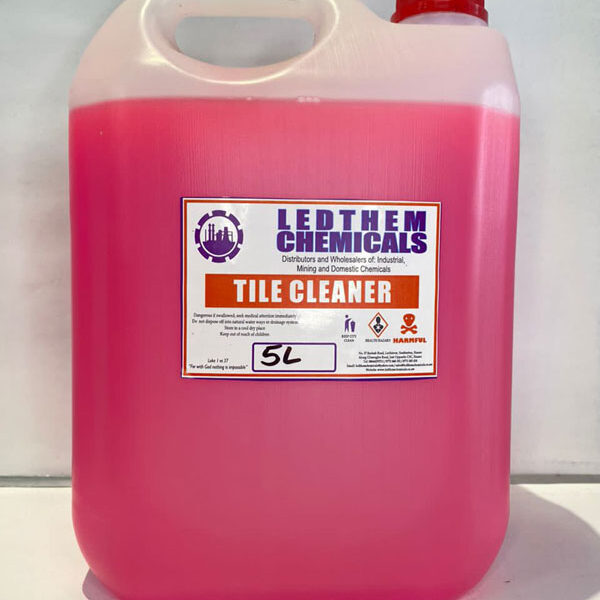 | 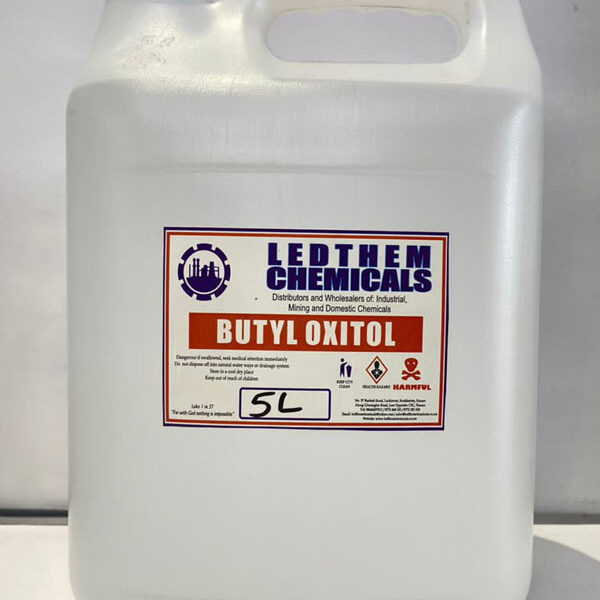 |  |  |  | ||||||||||||
| SKU | ||||||||||||||||||
| Rating | ||||||||||||||||||
| Price | ||||||||||||||||||
| Stock | In Stock
| In Stock
| In Stock
| In Stock
| In Stock
| In Stock
| ||||||||||||
| Availability | In Stock | In Stock | In Stock | In Stock | In Stock | In Stock | ||||||||||||
| Add to cart | ||||||||||||||||||
| Description | Bitumen patty is a solid form of bitumen. The solvent evaporates, leaving behind a solid patty that is easy to handle and transport. For waterproofing, roofing | Toilet cleaner a powerful stain remove of dirt, rust and smile from tiles, urinals grout and toilet bowls kills bacteria and leaves a clean fresh odor | Butyl Oxitol is a colorless liquid has a sweet, ether like odor as it derives from the family of glycol ethers, it is used in domestic and industrial products. | Alcosol is a colloidal solution of a solid in alcohol. It is used in making personal care products, Pharmaceutical, Degreasers, Solvents. available in Harare | Is a high purity solvent, it is used in cleaning electric circuit boards and as nails polish remover. At a lower purity it can be used as in printing, pharmaceuticals, perfumes, food, decaffeination of tea or coffee and a carrier solvent for herbicides | White spirit is used for Making inks and dyes, Solvent for cleaning, degreasing metal parts, manufacture of pharmaceuticals, cosmetics, and other products | ||||||||||||
| Content | Bitumen patty is a solid form of bitumen that is made by mixing bitumen with a small amount of solvent. The solvent evaporates, leaving behind a solid patty that is easy to handle and transport. Bitumen patties are used in a variety of applications, including:
Bitumen patties are a versatile product that can be used in a variety of applications. They are easy to handle and transport, and they are relatively inexpensive. | Toilet cleaner a powerful stain remover. It removes dirt, rust and slime from tiles, urinals grout and toilet bowls. This product kills bacteria and leaves a clean and fresh odor after application | Butyl Oxitol is a colorless liquid has a sweet, ether like odor as it derives from the family of glycol ethers, it is used in many domestic and industrial products because of its properties as a surfactant. | Alcosol is a colloidal solution of a solid in alcohol. The alcohol is the dispersion medium and the solid is the dispersed phase. Alcosols are typically clear and colorless liquids. They are used in a variety of applications, including:
Alcosols are generally safe to use when handled properly. However, it is important to read and follow all safety precautions when using Alcosols. Here are some of the safety precautions to take when using Alcosols:
If you accidentally spill Alcosols, clean it up immediately with a damp cloth. Do not flush it down the drain. Alcosols are a versatile type of colloidal solution that can be used for a variety of applications. It is important to use them safely and responsibly. | Is a high purity solvent, it is used in cleaning electric circuit boards and as nails polish remover. At a lower purity it can be used as in printing, pharmaceuticals, perfumes, food, decaffeination of tea or coffee and a carrier solvent for herbicides | White spirit, also known as mineral spirits, is a petroleum-derived clear liquid used as a common organic solvent in painting. It is a mixture of aliphatic and aromatic hydrocarbons, with a boiling point range of 130-230 degrees Celsius. White spirit is odorless or has a mild odor, and is less flammable and toxic than turpentine. White spirit is used for a variety of purposes, including:
White spirit is a flammable and volatile liquid, so it should be handled with care. It should be stored in a cool, well-ventilated area, and away from heat and open flames. When using white spirit, it is important to wear gloves and eye protection to avoid skin contact and inhalation of fumes. Here are some safety precautions to take when using white spirit:
If you accidentally spill white spirit, clean it up immediately with a damp cloth. Do not flush it down the drain. White spirit is a versatile solvent with many uses. It is important to use it safely and responsibly. | ||||||||||||
| Weight | ||||||||||||||||||
| Dimensions | N/A | N/A | N/A | N/A | N/A | N/A | ||||||||||||
| Additional information |
|
|
|
|
|
|


Reviews
There are no reviews yet.